








Round Water Tanks
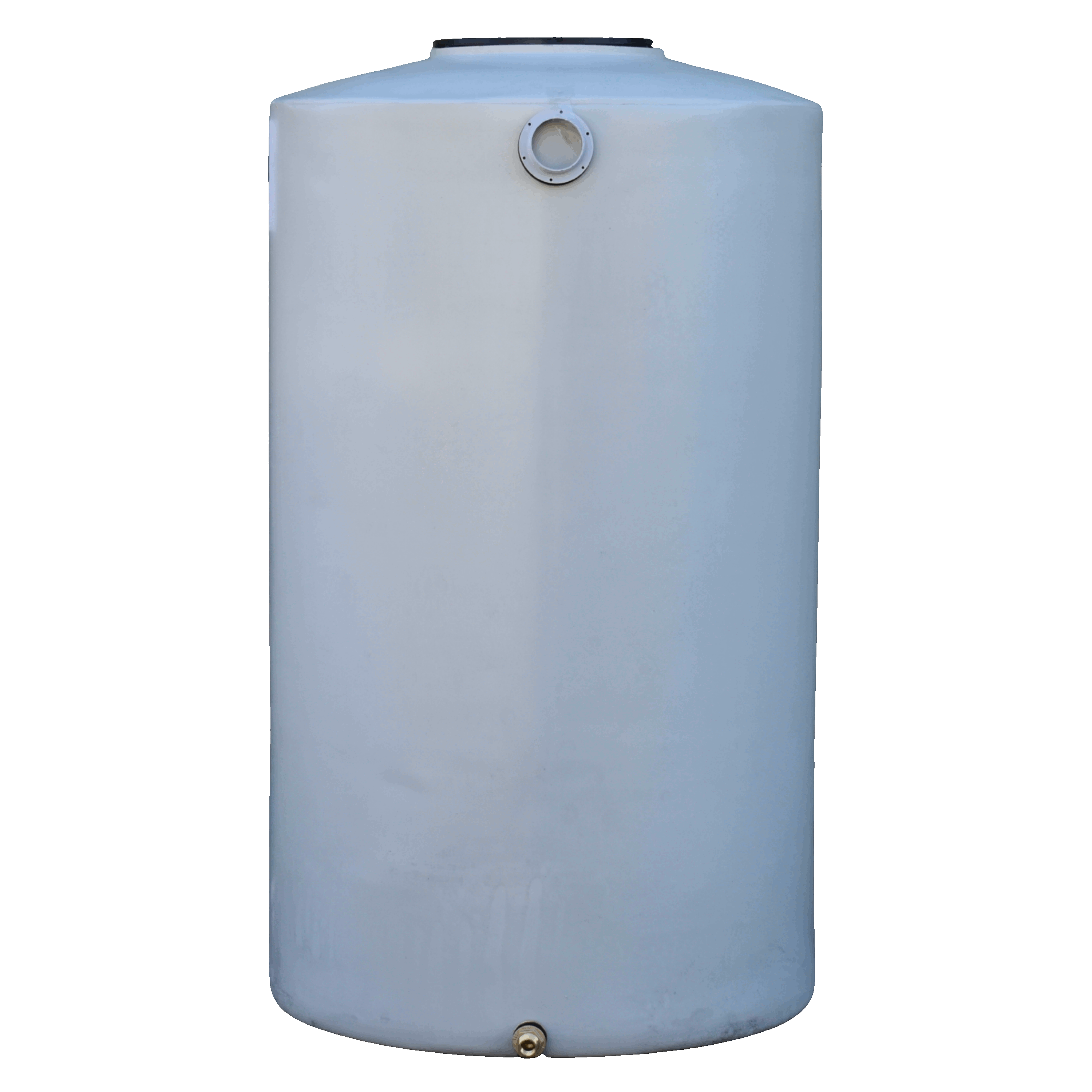
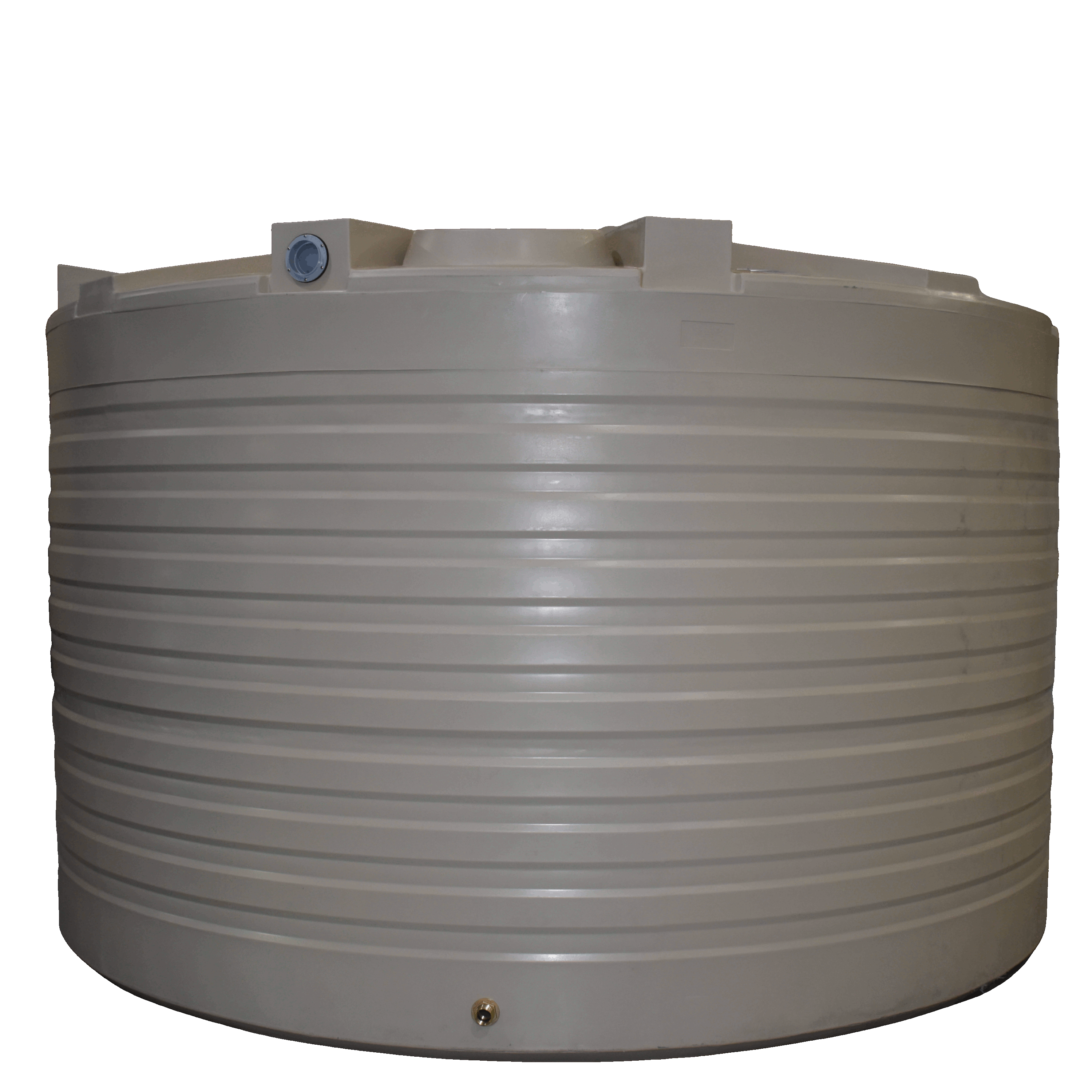
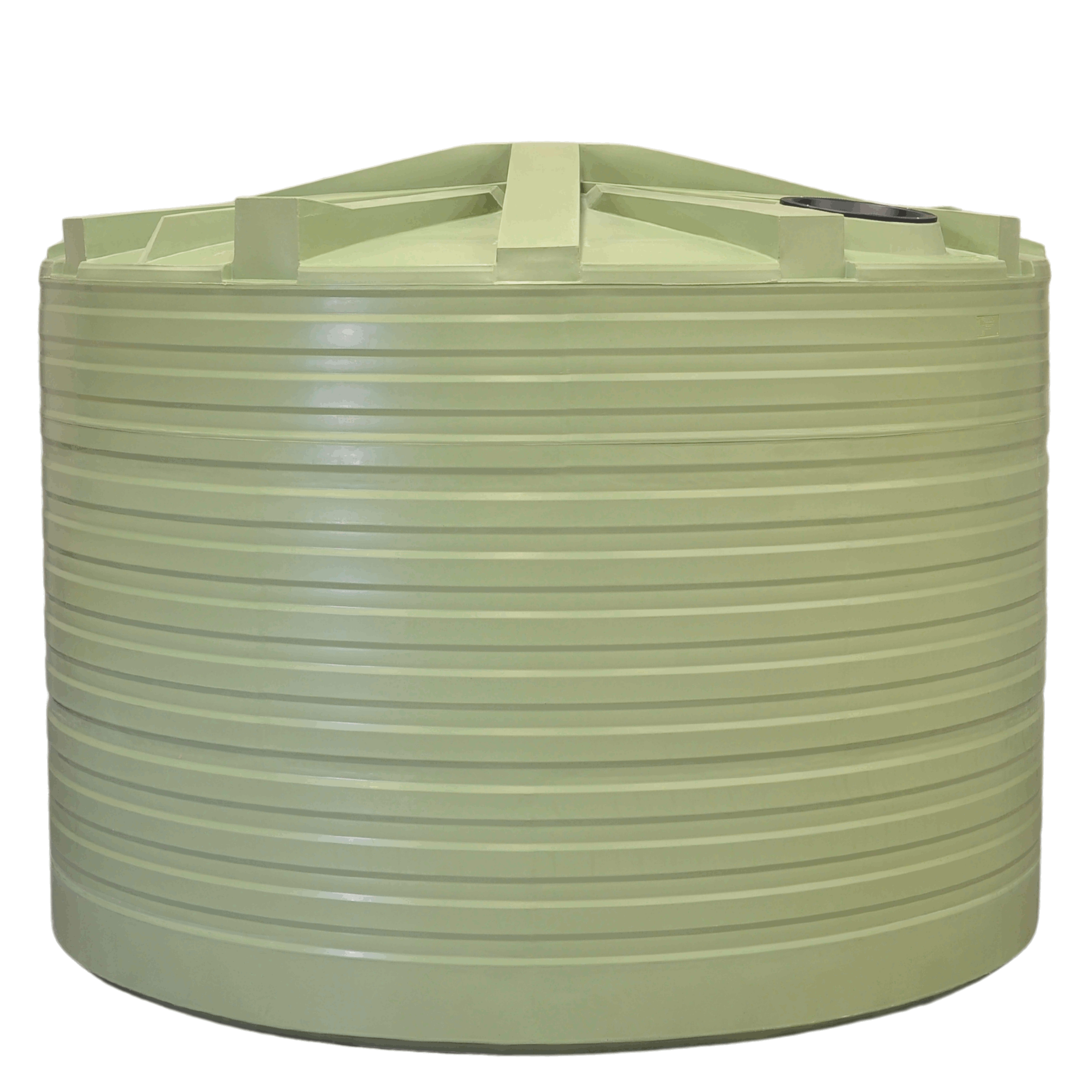
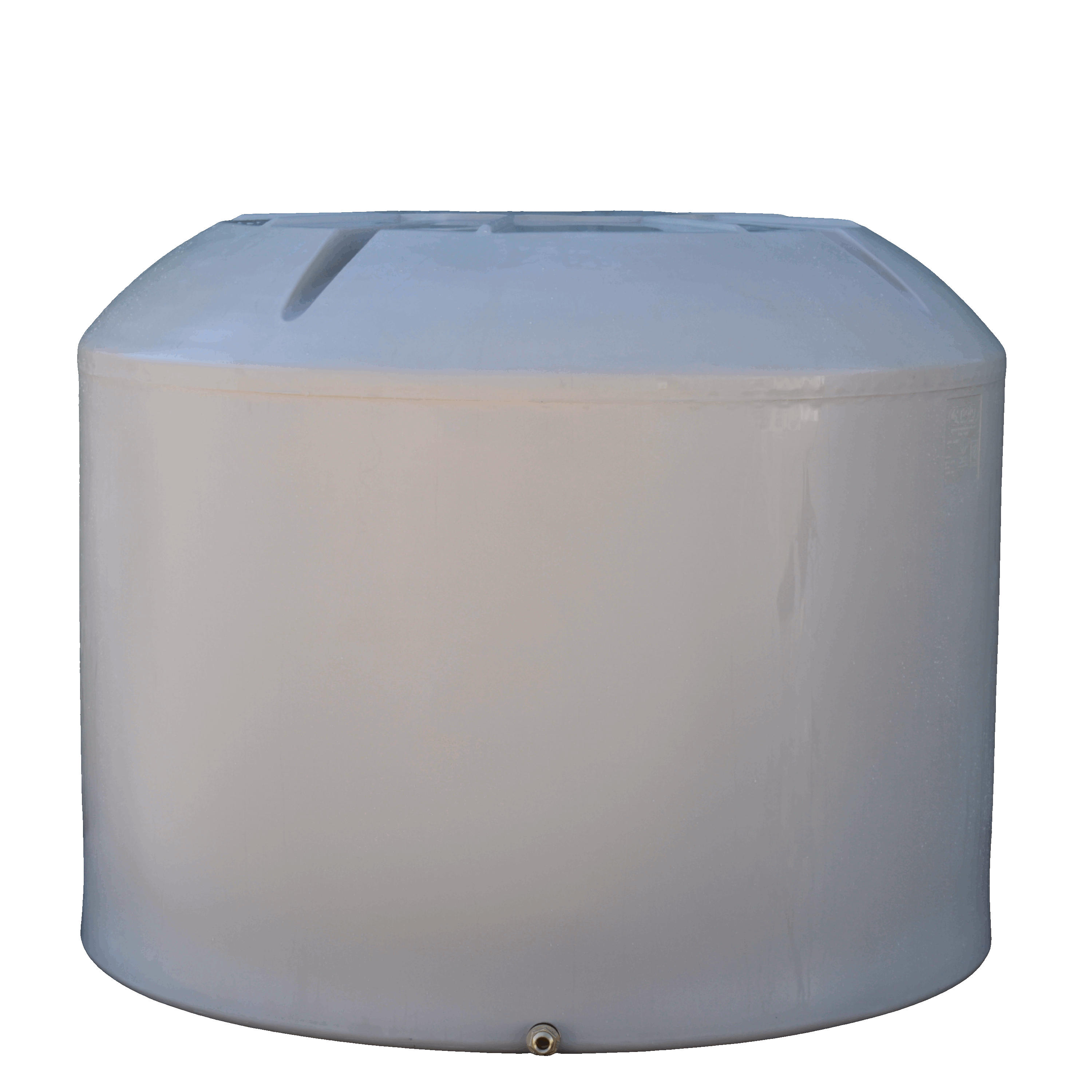
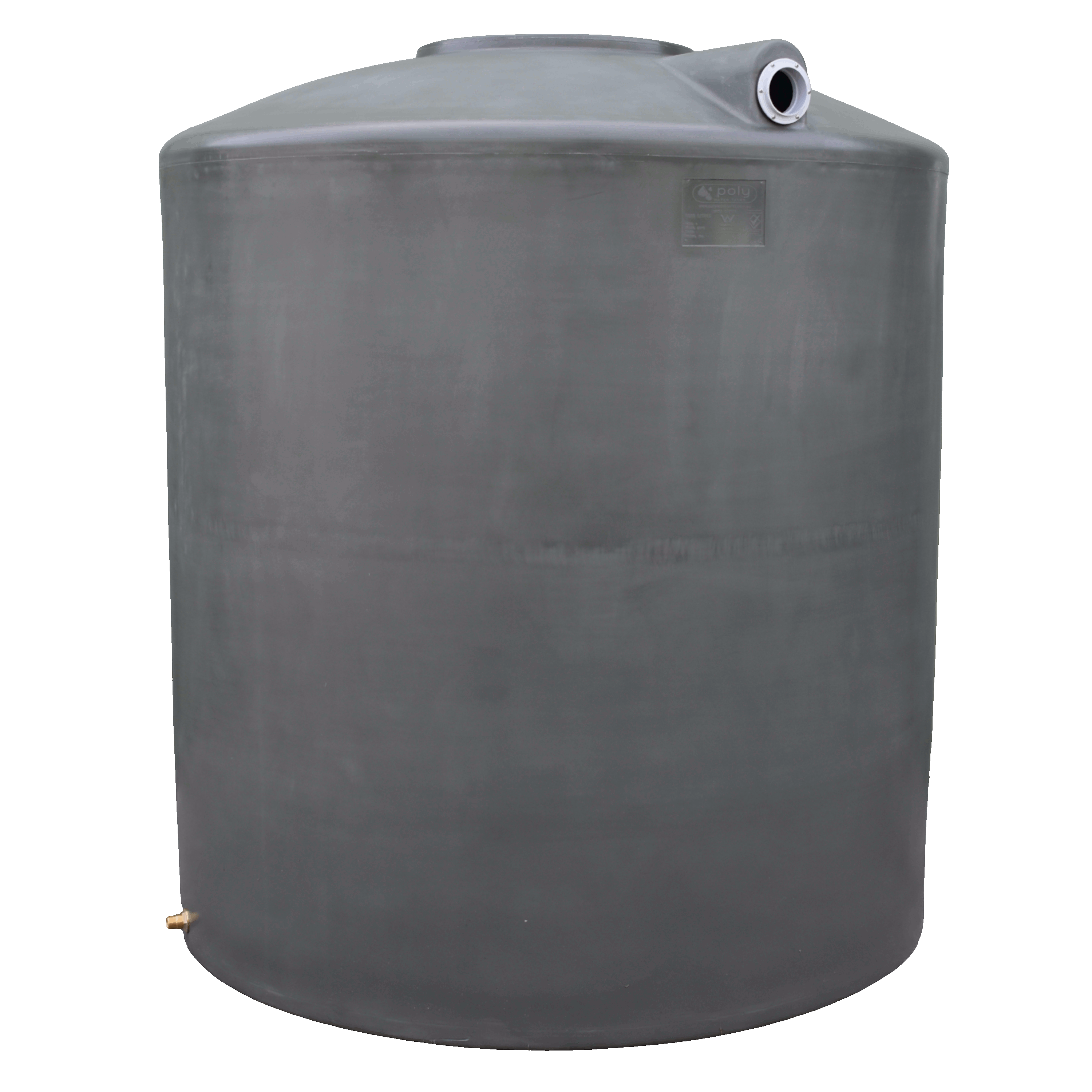
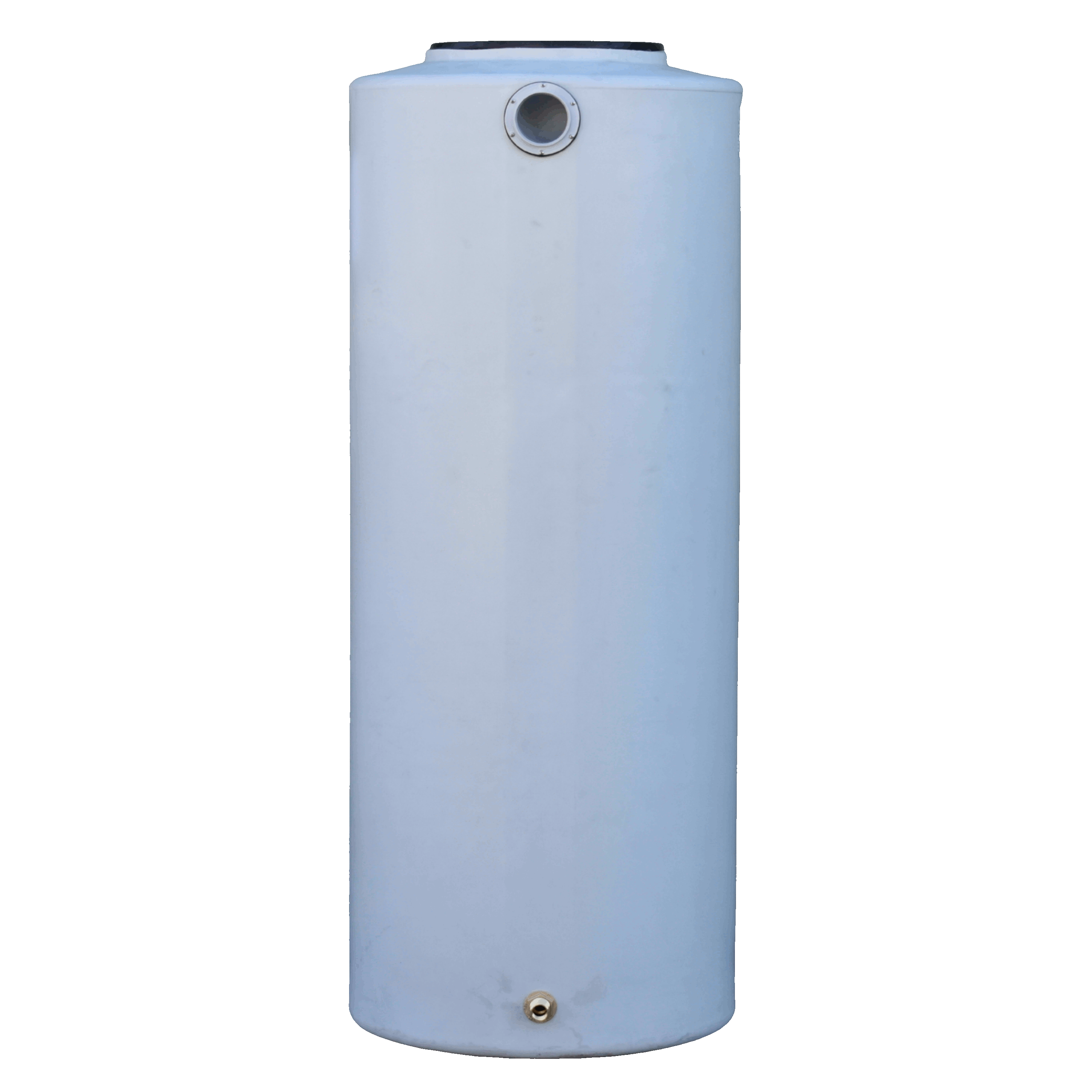
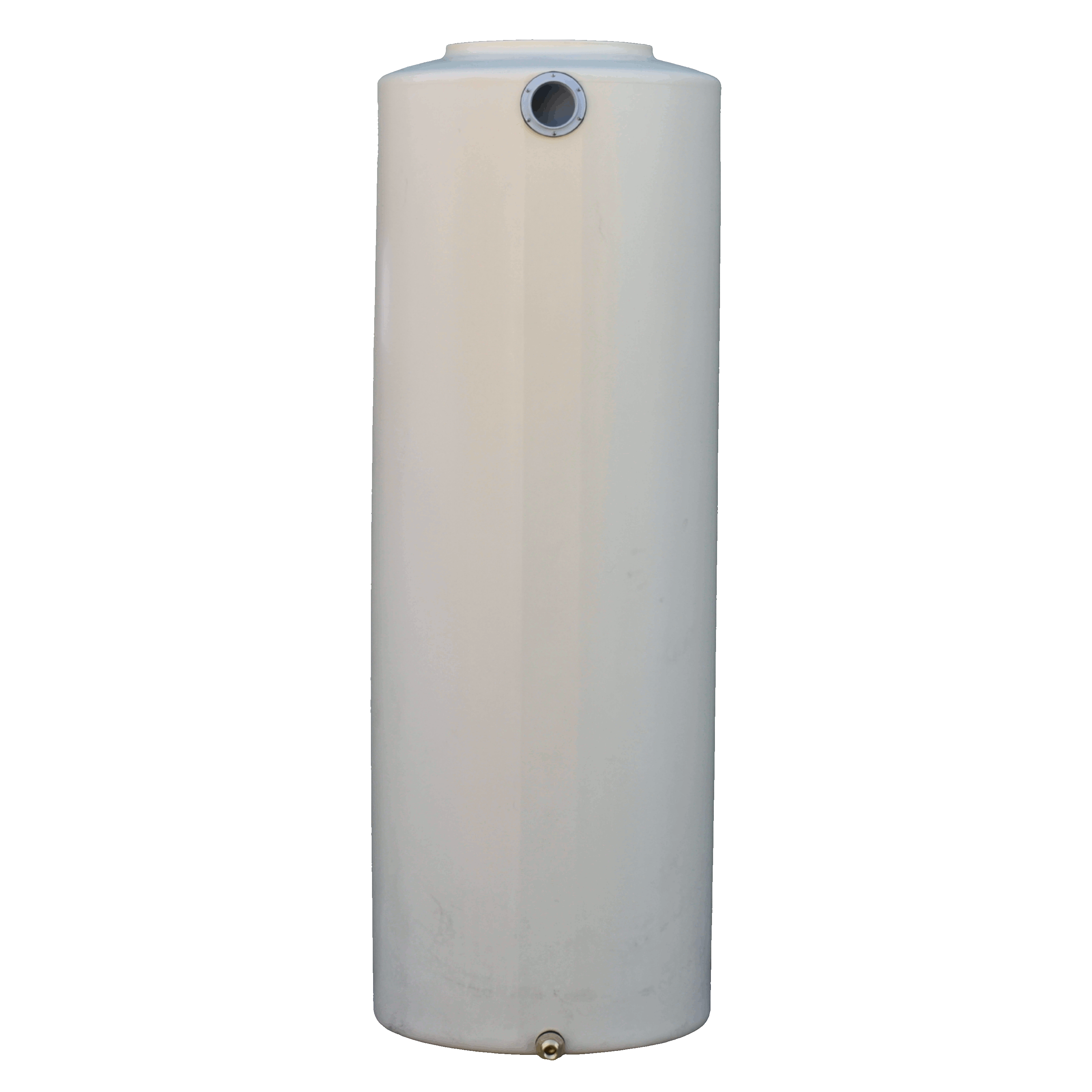
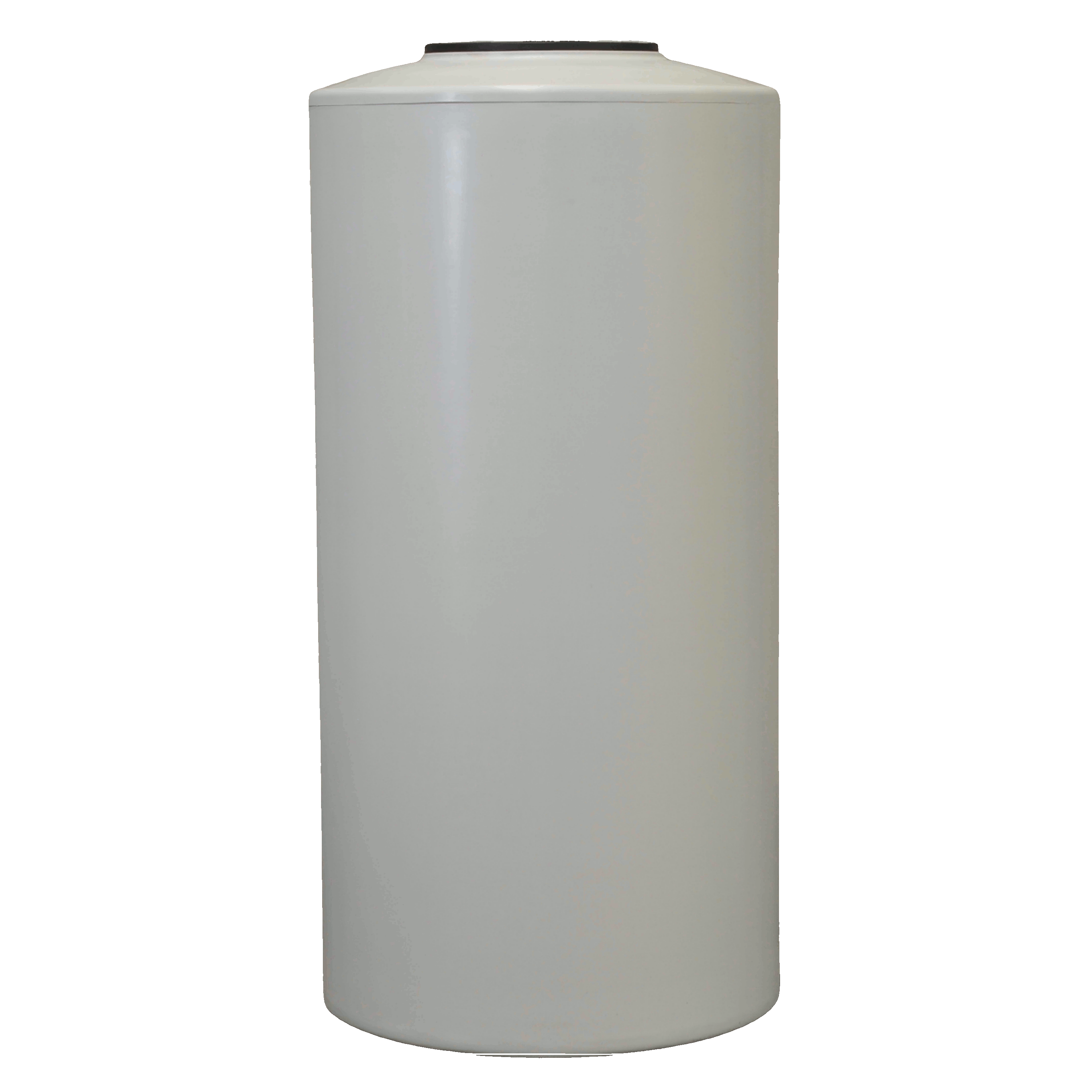
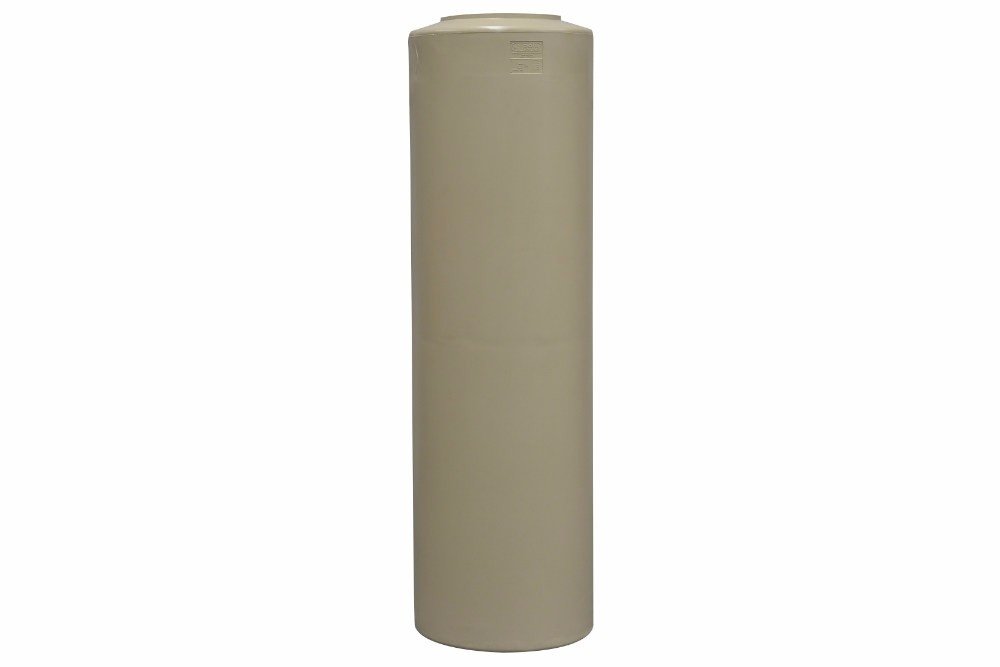
Quality Round Water Tanks suitable for use in the home, commercial spaces or rural applications.
Poly Water Tanks has various sizes available from small 501 litre round water tanks through to large 25,000 litre tanks. Purchase with confidence based on our commitment to high quality manufacturing processes including an independent audit of our certified standards compliance. We offer fast delivery throughout most of NSW, ACT and parts of VIC & QLD. Still not sure which round water tank you need? Simply contact us to discuss your requirements and arrange a quote.
Why Buy A Round Water Tank From Poly Water Tanks
- Built to cure properly, no rush job production for a premium-grade finish.
- Made from the best materials, UV-stabilised virgin food-grade polyethylene with no taste or smell (drinking-water compatible).
- Each round water tank is certified to Australian Standards (AS/NZS 4766:2020).
- Small footprint design with no waste, giving the biggest storage capacity for its real estate.
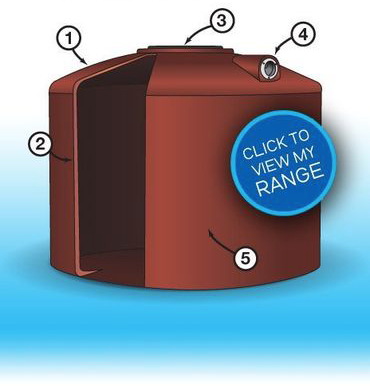
- Dome tops with a clean and stylish aesthetic and self-supporting structure; no poles needed inside the round water tank
- Unique smooth wall design with no vertical parting lines; no weak wall pressure points
- Full brass outlets and fittings; no plastic means a solid state connection
- Stainless steel screws and strainer mesh
- Manufactured with a graduated thickness in walls, utilising hoop strength for evenly distributed pressure from the top to bottom
What are the advantages of a round water tank?
- Round water tanks are sturdy due to their cylindrical/circular shape: internal pressure is dispersed more evenly to minimise stress concentrations.
- Due to their non-uniform shape, square, rectangular or custom-shaped tanks often have areas that are subject to increased water pressure. These are the points on the tank that are more prone to splitting due to the increased load. A cylindrical tank without vertical seams does not suffer this pressure load.
- These tanks offer the best value for money as the tanks costs less per litre to manufacture than a slimline tank as less raw materials are required due to the reduced surface area.
Do Round Tanks Come In Different Dimensions?
- Round water tanks come in different dimensions for several reasons:
- Capacity: The dimensions of the tank must increase in order to hold more water.
- Footprint: Depending on the amount of space you have available to place your tank, you may require a tank that is narrower with extra height, or shorter with extra width. There are many manufacturers of round water tanks, with many different dimensions for similar capacity, so it pays to look around if you have space limitations.
- Structural Integrity: The wider the tank, the greater the “hoop stress” on the sides of the tank, leading to bulging and potential splitting of the tank. All tanks manufactured to AS/NZS 4766 must be designed so that the average hoop stress towards the bottom of the tank is below the Hydrostatic Design Stress.
- Transportation: In order to deliver a tank to your location, it must fit on the back of a truck. In NSW, any load that is wider than 3.5 metres must have a pilot escort, adding a prohibitive cost to your tank. As such, most manufacturers restrict the dimensions of their tanks so that delivery is much more cost-effective for all involved.
- You can choose your tank either by capacity (litres) or size. Check out our range below.
What Are The Different Capacities of Round Rainwater Tank?
- Round rainwater tanks can vary from as little as 100 litres to over 100,000 litres. As can be expected, the requirements are very different for water tanks at either end of these limits, as is the manufacturing process.
- It’s not possible to deliver a very large, prefabricated tank to site, so they are often partially manufactured and delivered in pieces or custom-made on-site from steel or concrete.
- Smaller tanks (below 50,000 litres) are most commonly made from either polyethylene or steel and can be transported to site fully constructed.
- More common sizes of round tanks are 2,000 litres, 3,000 litres, 5,000 litres, 10,000 litres, 20,000 litres, 22,700 litres (5,000 gallons), 25,000 litres and 30,000 litres. There are many different sizes and shapes available to suit your particular application; some manufacturers even offer different dimensions for the same capacity.
What's The Largest Capacity of a Round Water Tank?
- Bigger tanks (over 30,000 litres) are often made of concrete to support the weight of water.
- At Poly Water Tanks, our largest tank is 25,000 litres and these can be joined together to allow many thousands of litres of storage. We have a range of round rainwater tanks from 500 litres, including 5,000 litres, 10,000 litres, 20,000 litres and many more.
- Limitations on the size of round poly tanks is generally related to the transportation: tanks that are wider than 3.5 metres when loaded for delivery require a pilot escort, making delivery costs prohibitive.
What Size Tank Do I Need?
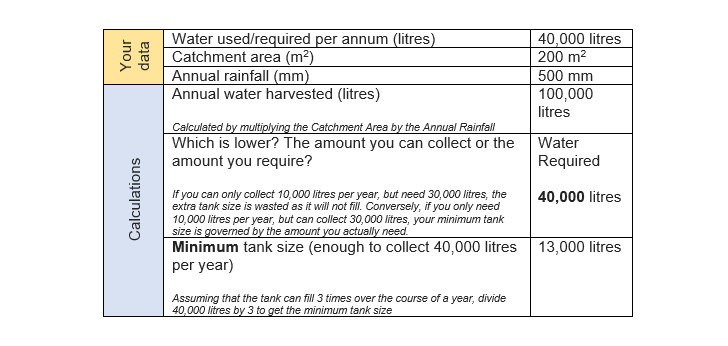
- The size of your tank depends on a number of factors, such as the average rainfall where you live, the size of your roof or catchment area and the number of uses you have for your tank. Outlined below is a rainwater tank calculation formula to help you determine this vital piece of information.
- To figure out how much water you can collect, you need to measure the “catchment area” (this is usually your roof) in square metres. To do this, measure the length and width of your roof in metres and then multiply the two numbers together to get your catchment area in square metres.
- Determine the average rainfall that your area receives in millimetres. This information is available from the Bureau of Meteorology.
- Discover how much water you use (in litres per year) by accessing this handy calculator. Answer the questions only for the connections you plan to use rainwater. Typically, this is limited to gardens, toilets and clothes washing.
- Once you have these 3 numbers, multiply the catchment area by the annual rainfall to get the volume of water you can collect per year.

Can I Connect Multiple Water Tanks Together?
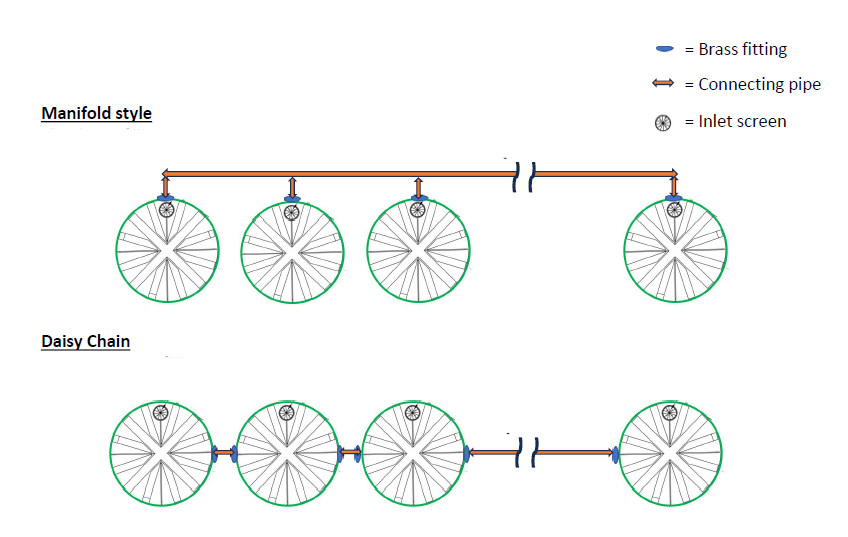
- Of course! At Poly Water Tanks, our slimline water tanks are made by doing exactly this. For larger size tanks, you can connect multiple round tanks in a manifold style or a daisy chain style (see image below), depending on your needs.
- For joined tanks with an inlet on only one of the tanks: If you join your tanks together near the bottom of the tank, the tanks will fill evenly at the same time. If you join your tanks at the top, the tank with the inlet will fill first, followed by the next one along and so on.
- Poly Water Tanks can add the required additional fittings to allow you to join the tanks at the factory so there’s less for you to do when they arrive.

What is the Height/Width of the Truck That Will Deliver My Tank(s)?
- The height of the truck depends on which tank you’ve ordered. To make it easier to unload the tanks, most of our larger round tanks are placed on their side for transportation. When placed on its side, our widest tanks (20,500 litre, 22,700 litre and 25,000 litre) measure 3.62 metres. Add this to the height of the truck tray and the tallest height would be 4.3 metres.
- The width of the truck is 2.5 metres. There are two tanks that protrude over the edge when placed on their side. These are the 25,000 litre tank at 2.76 metres and the 13,500 litre at 2.66 metres. All other tanks are equal to or less than the width of the 2.5 metre truck.
Can I Use a Rainwater Tank for OSD?
- An OSD (On-Site Detention) tank is intended to slow the flow of stormwater runoff. The stormwater is detained in the tank, preventing it from emptying into the council’s drainage system until the tank is full or the water is released slowly through a controlled orifice or a small diameter release valve.
- Rainwater tanks are an excellent solution for OSD. They are easy to transport to the location, cost much less than a custom-made concrete alternative and can be effortlessly extended by adding an additional cylinder.
- Poly Water Tanks can factory-install additional fittings to accommodate your OSD configuration requirements, including higher-flow outlets and overflows so that your tanks can be hooked up and ready to use without hassle. Speak to our staff about your specific requirements.