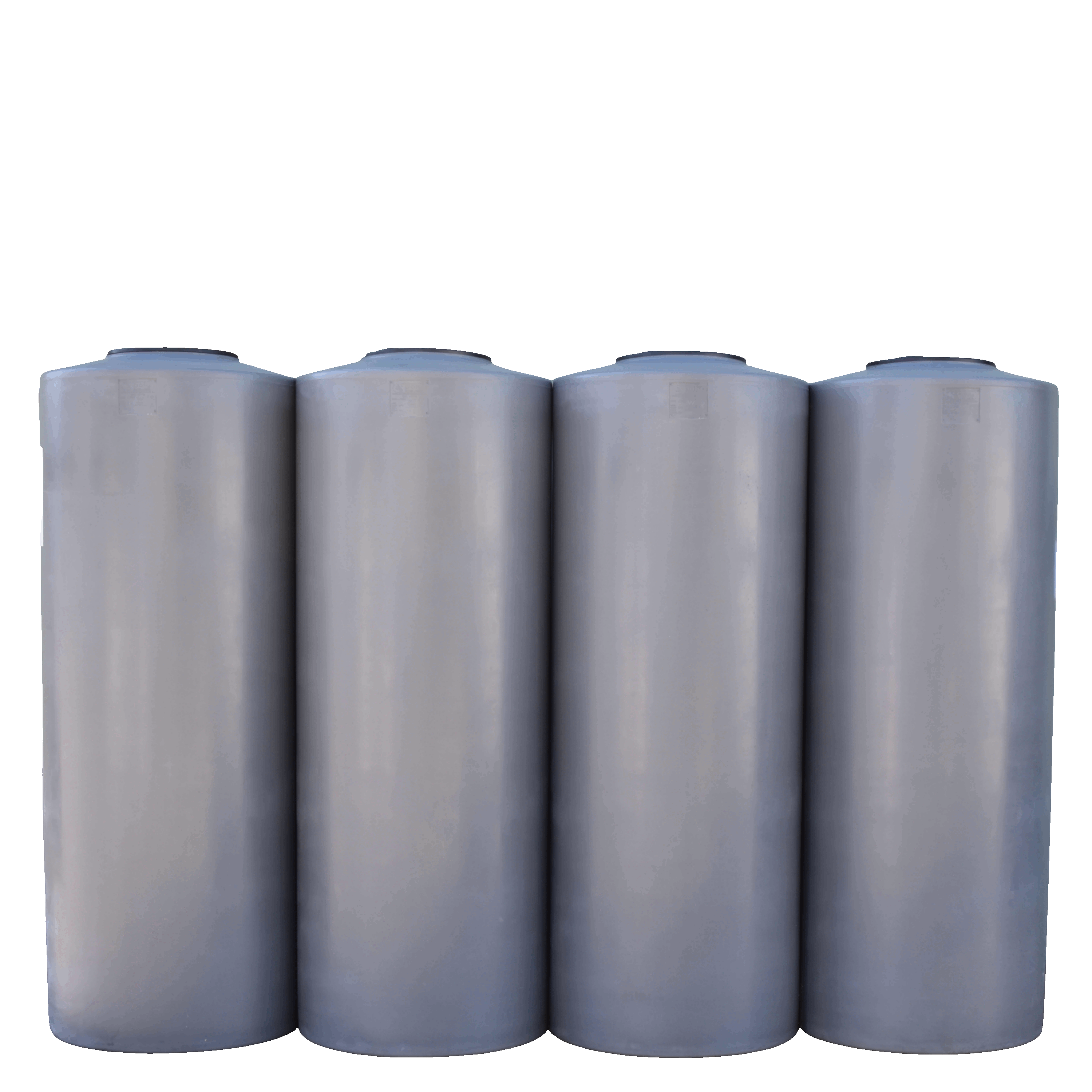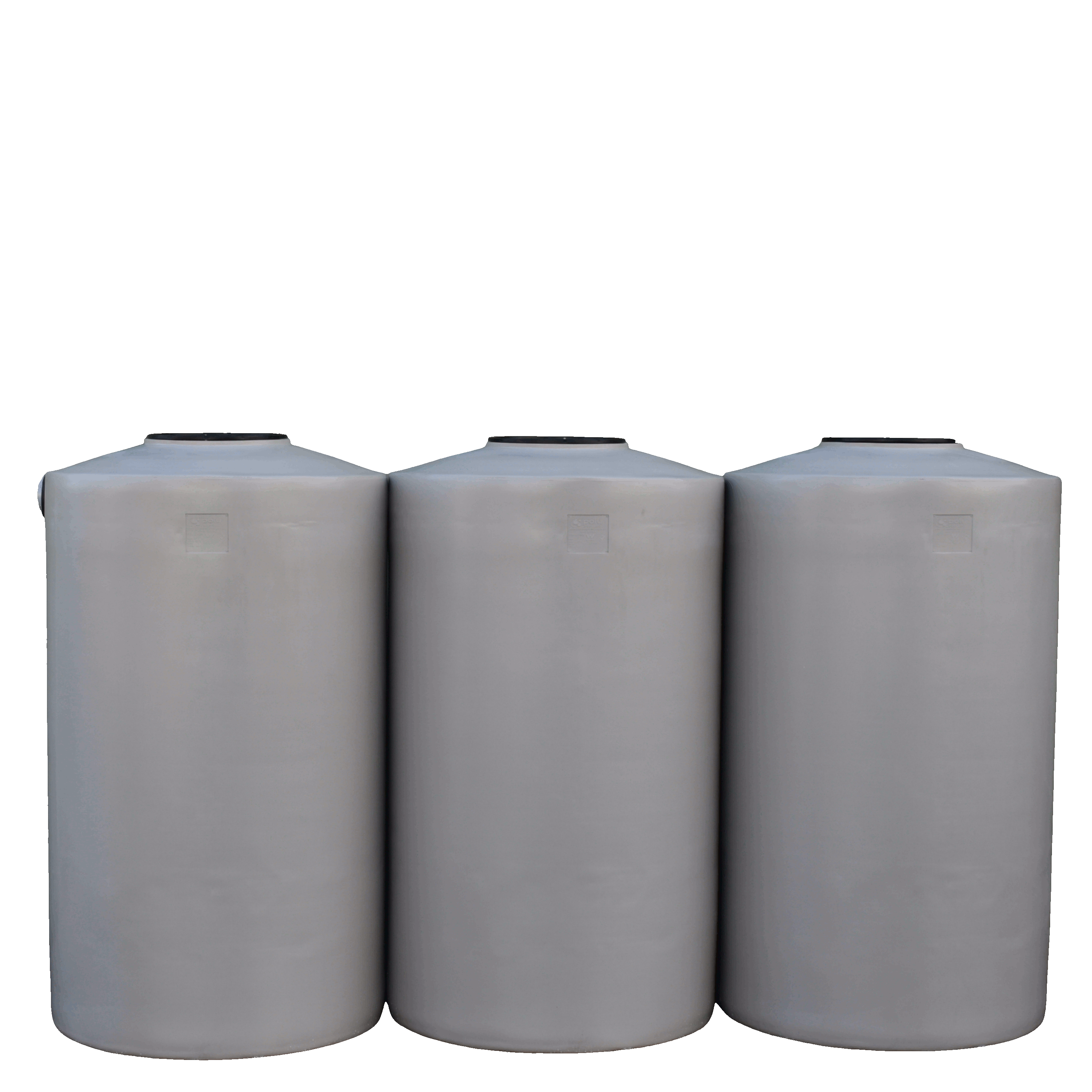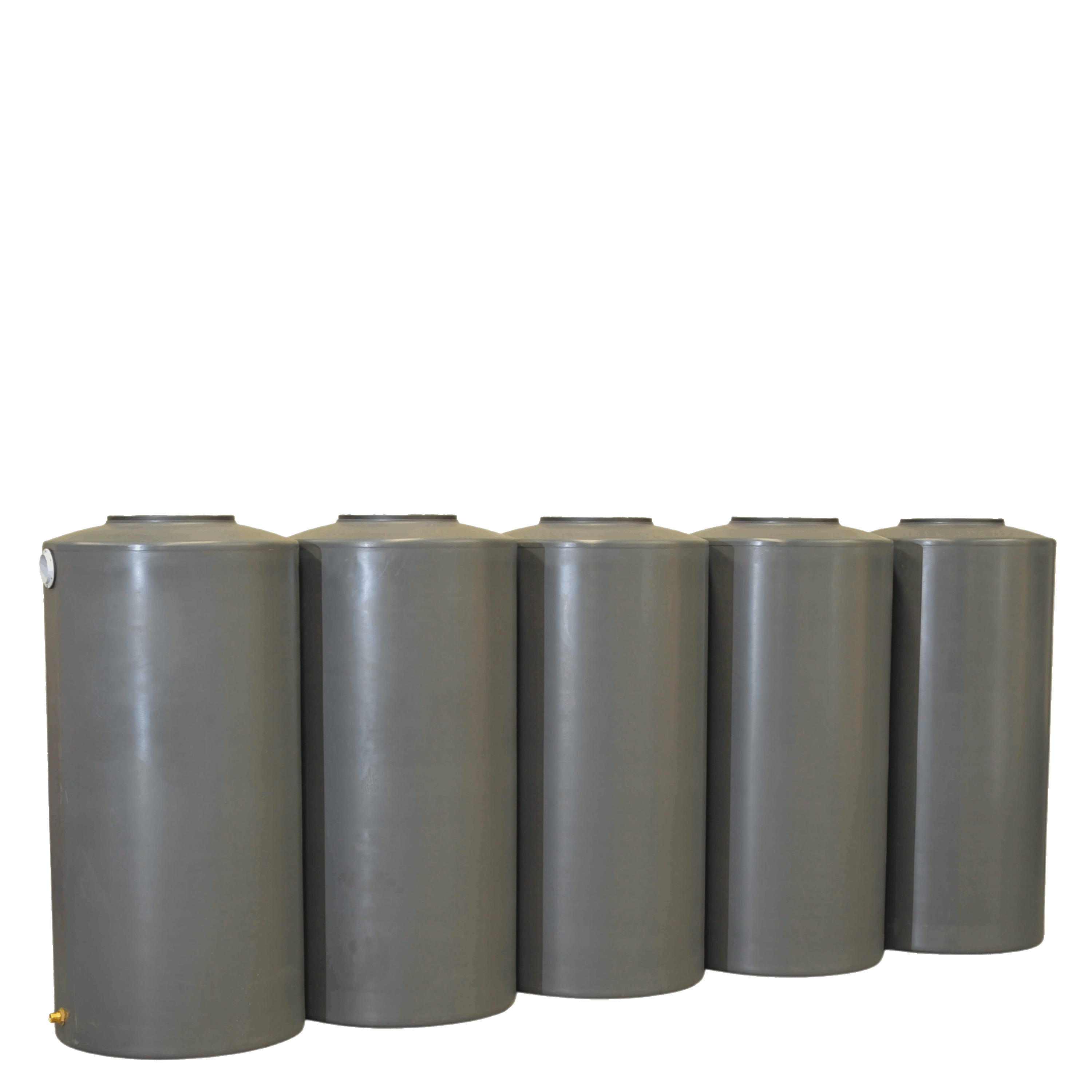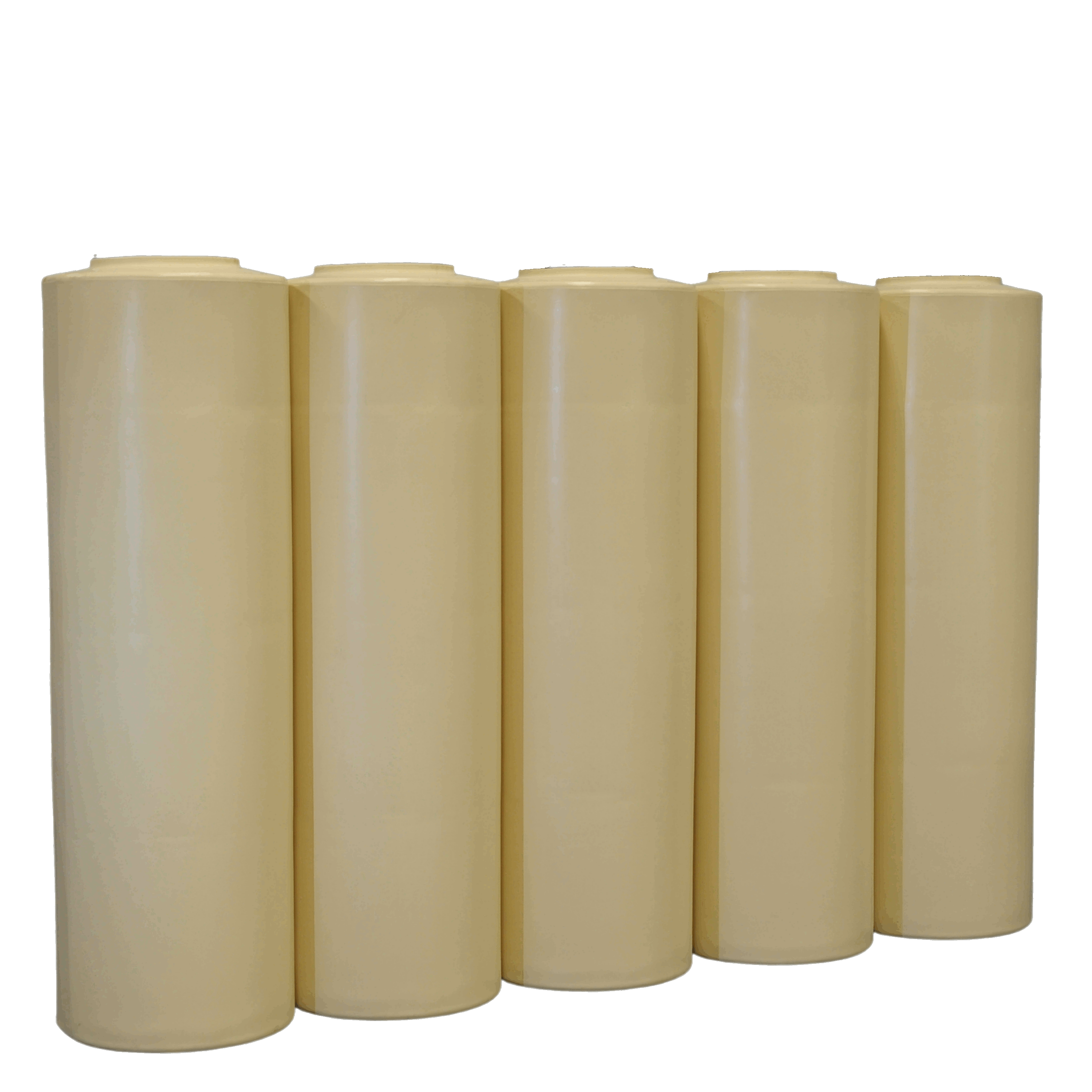









Slimline Water Tanks
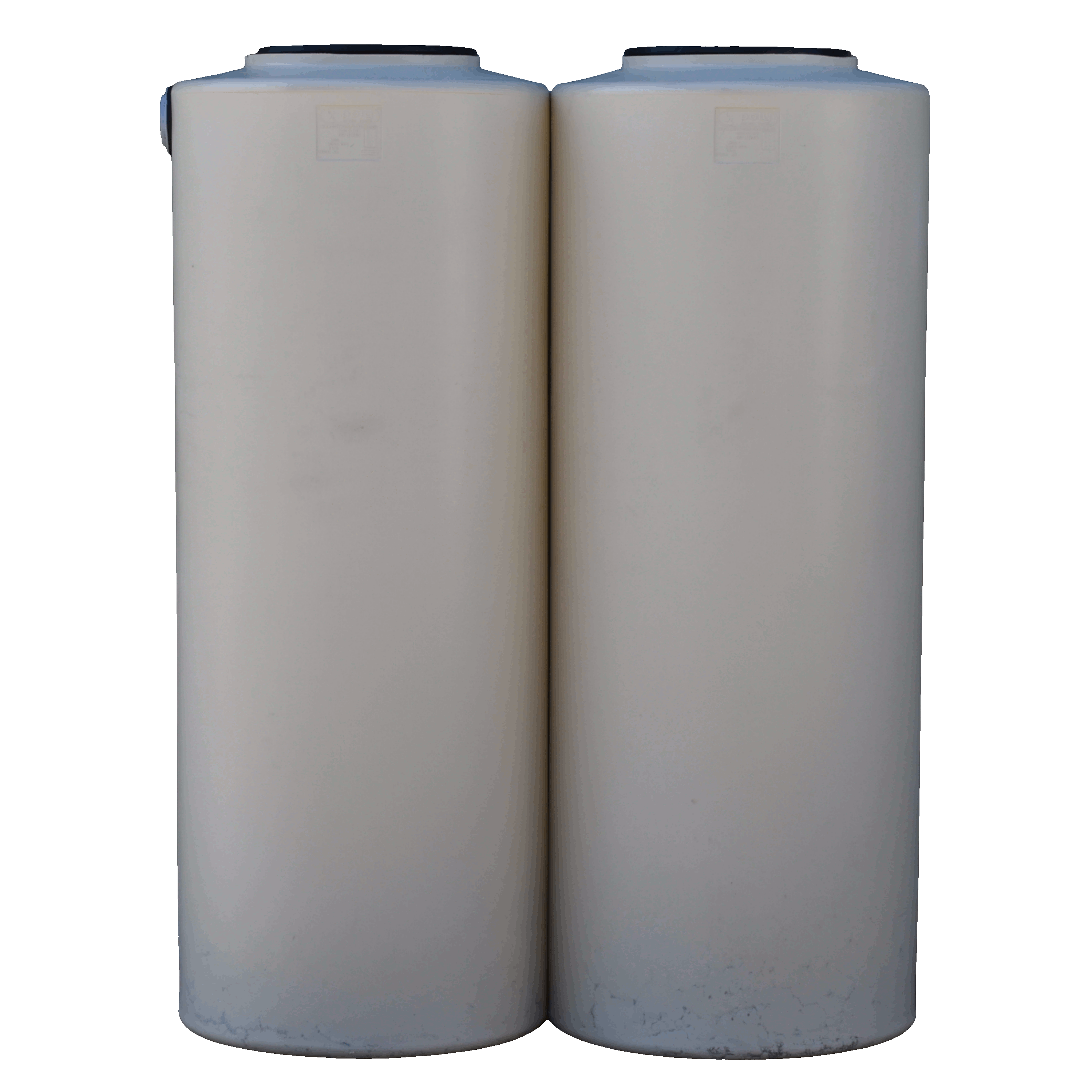
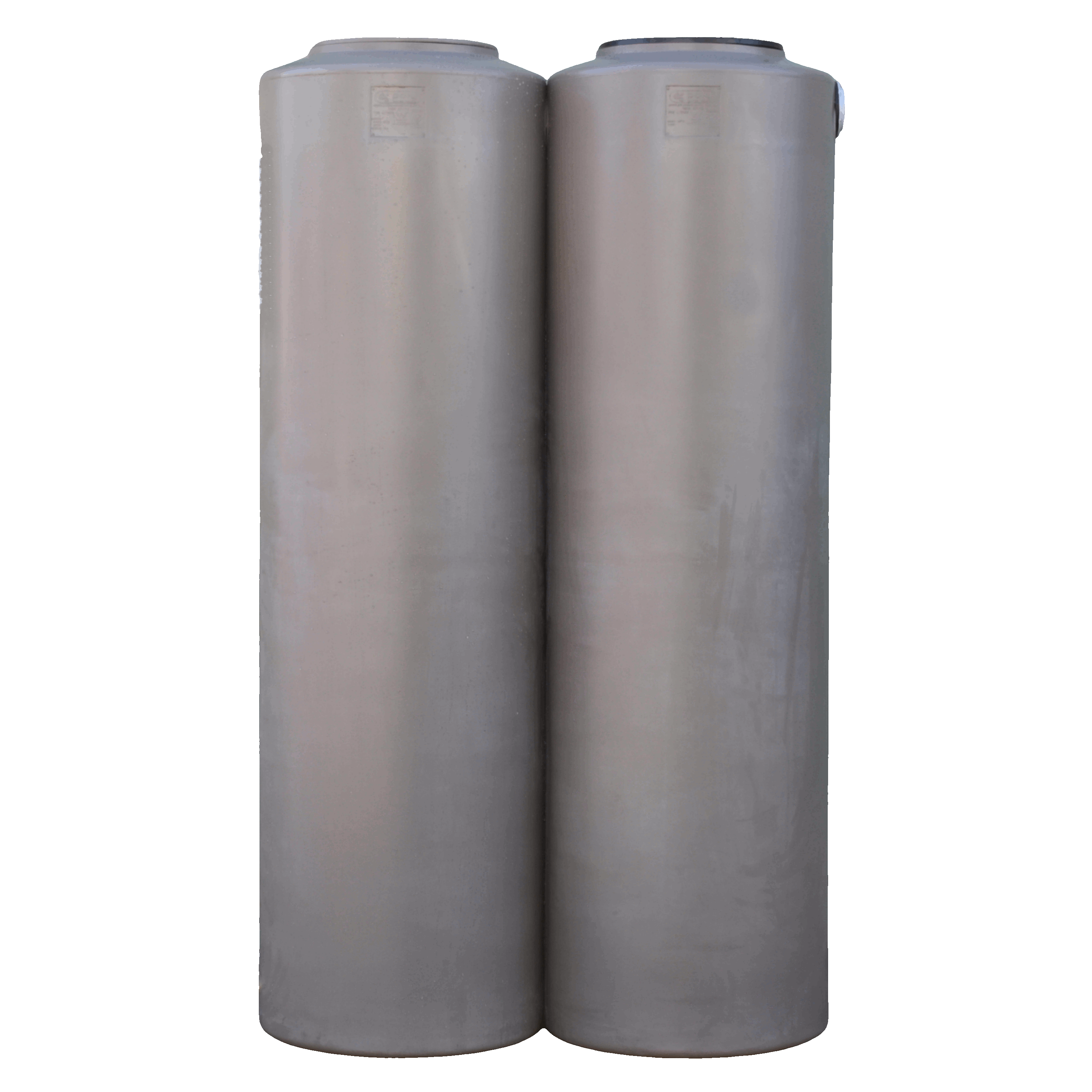
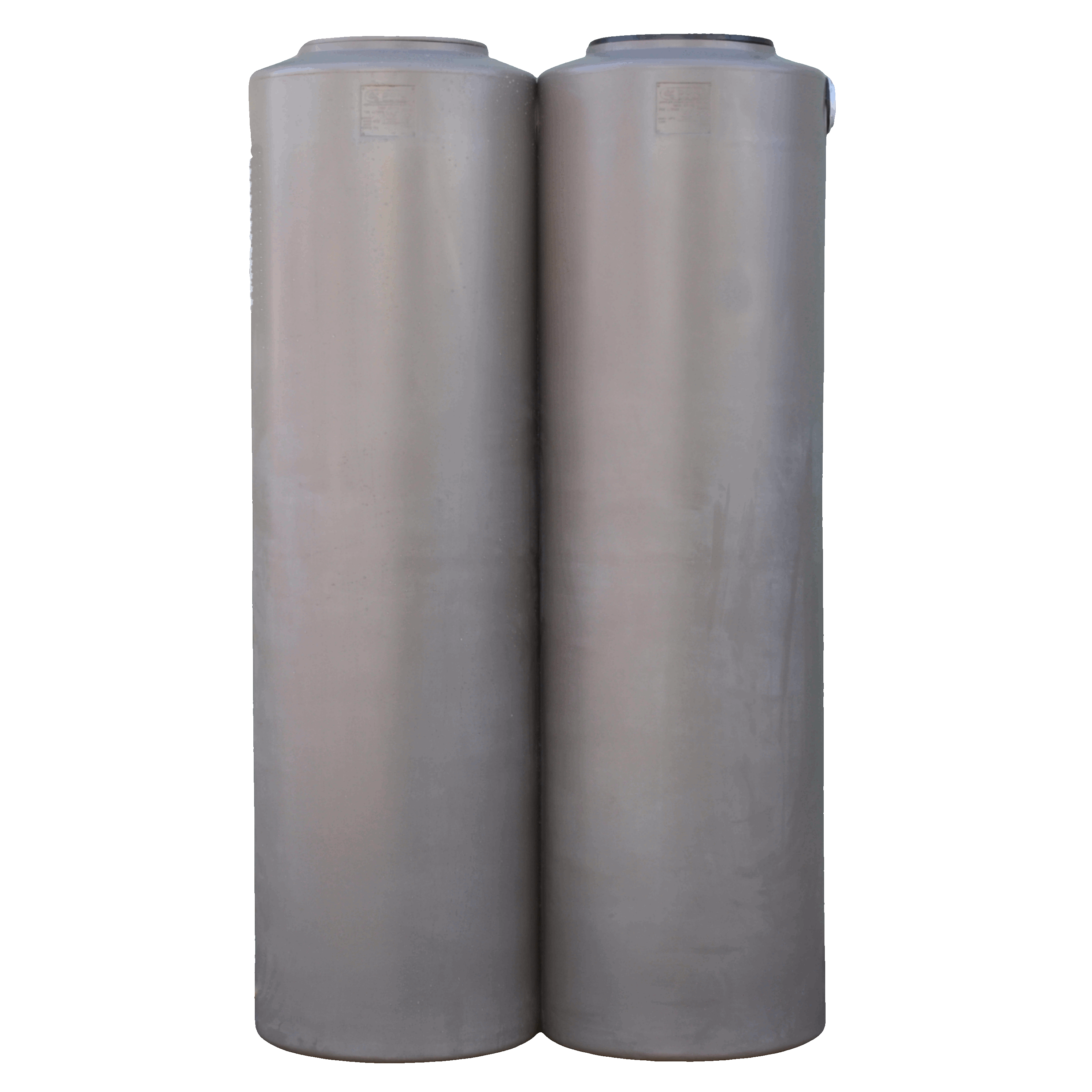
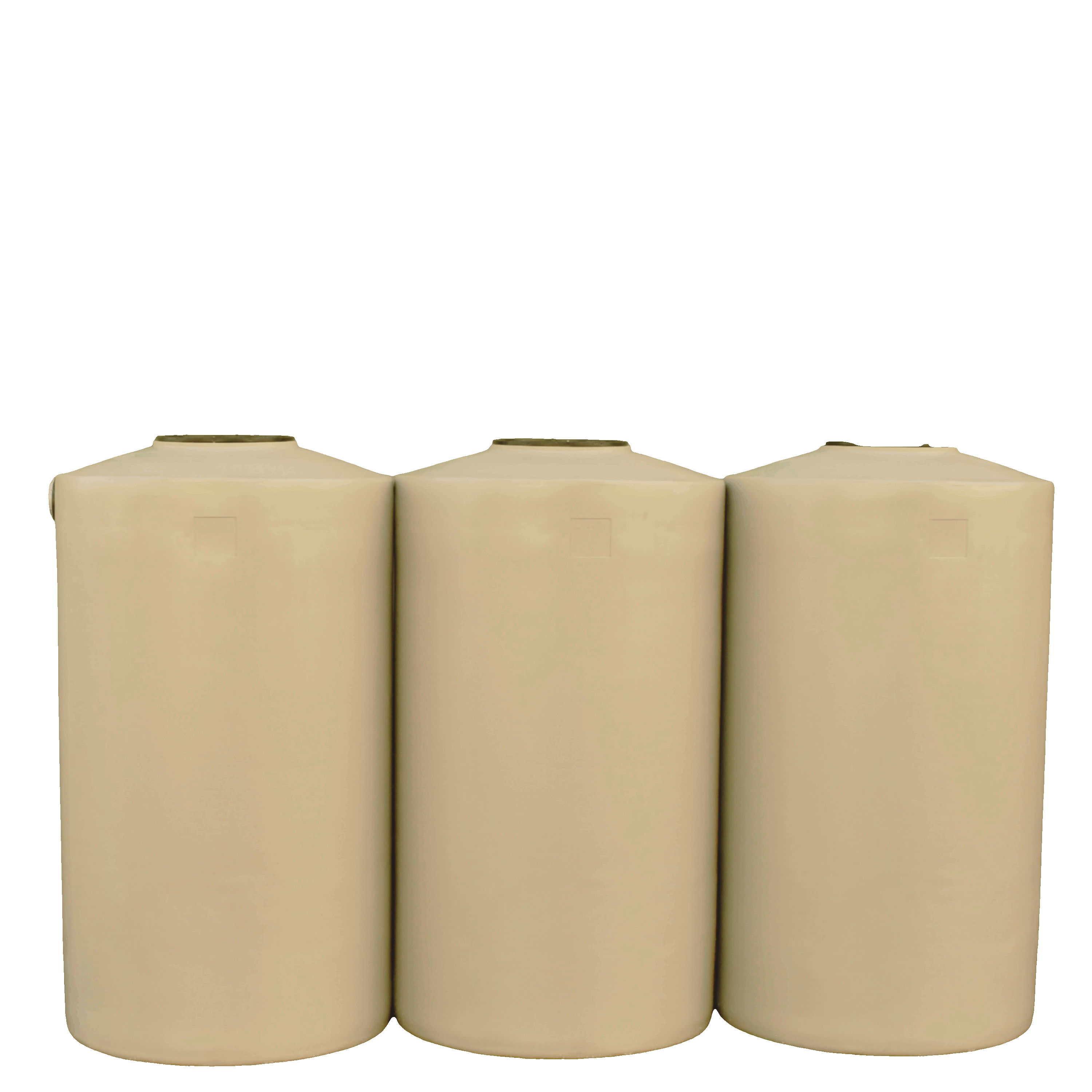
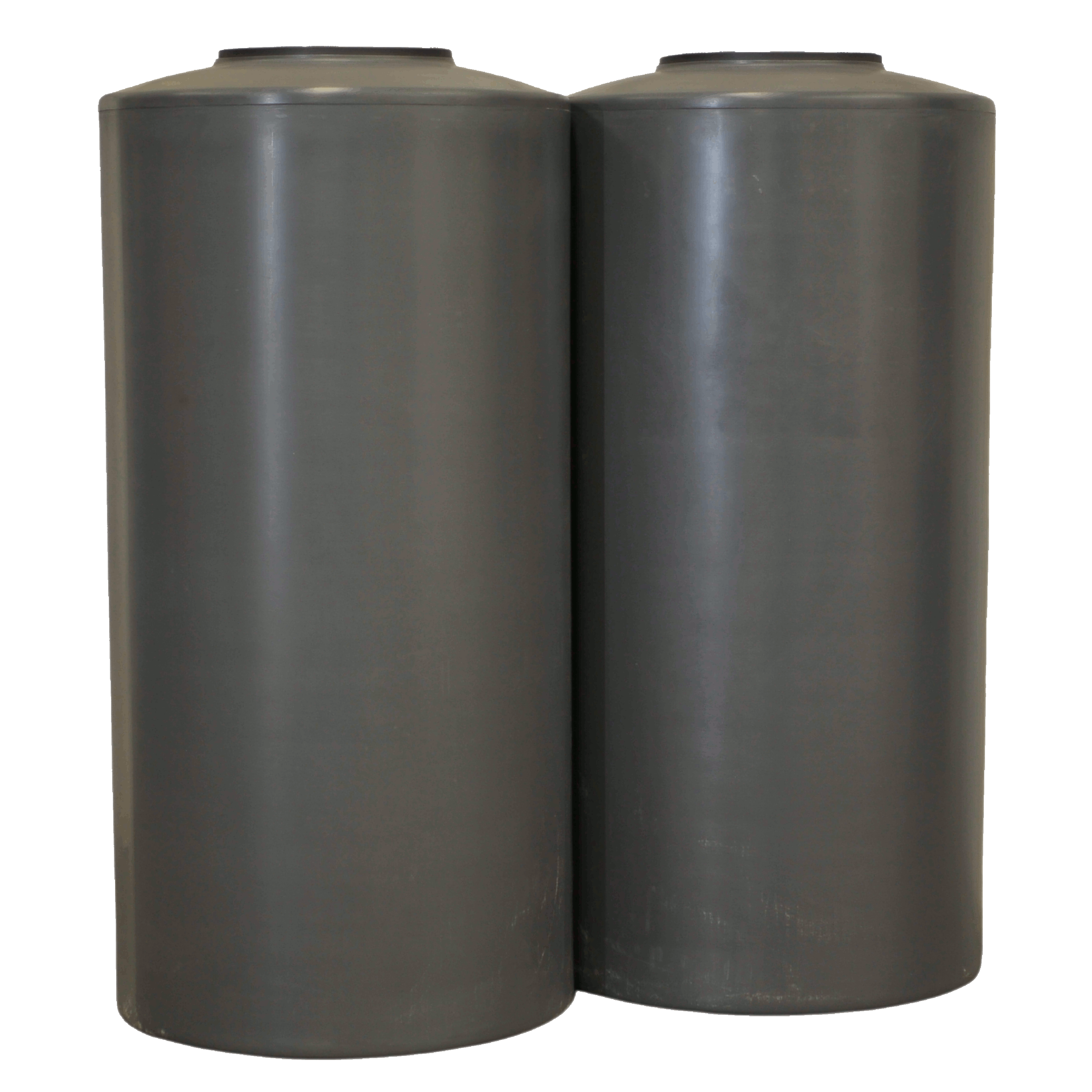
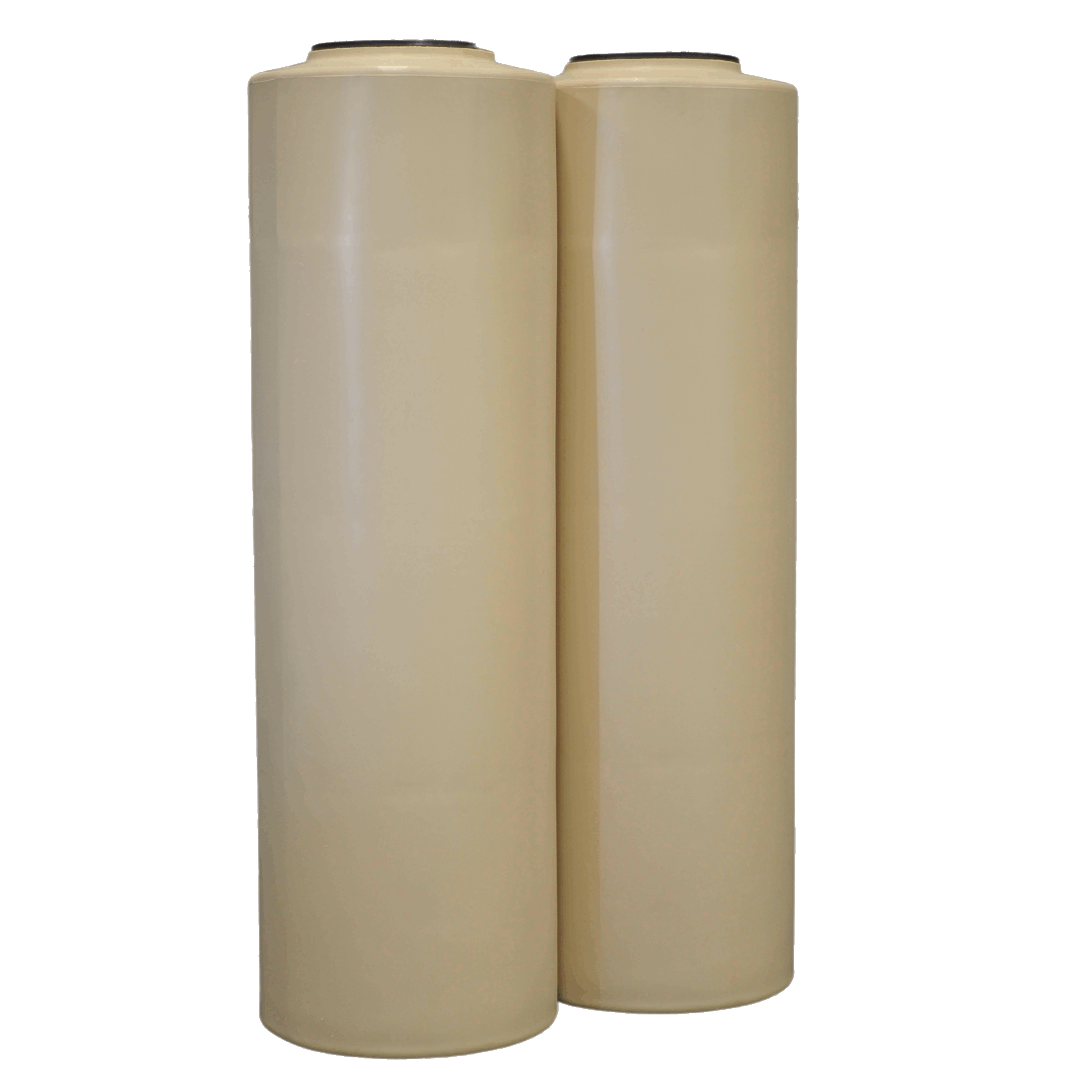
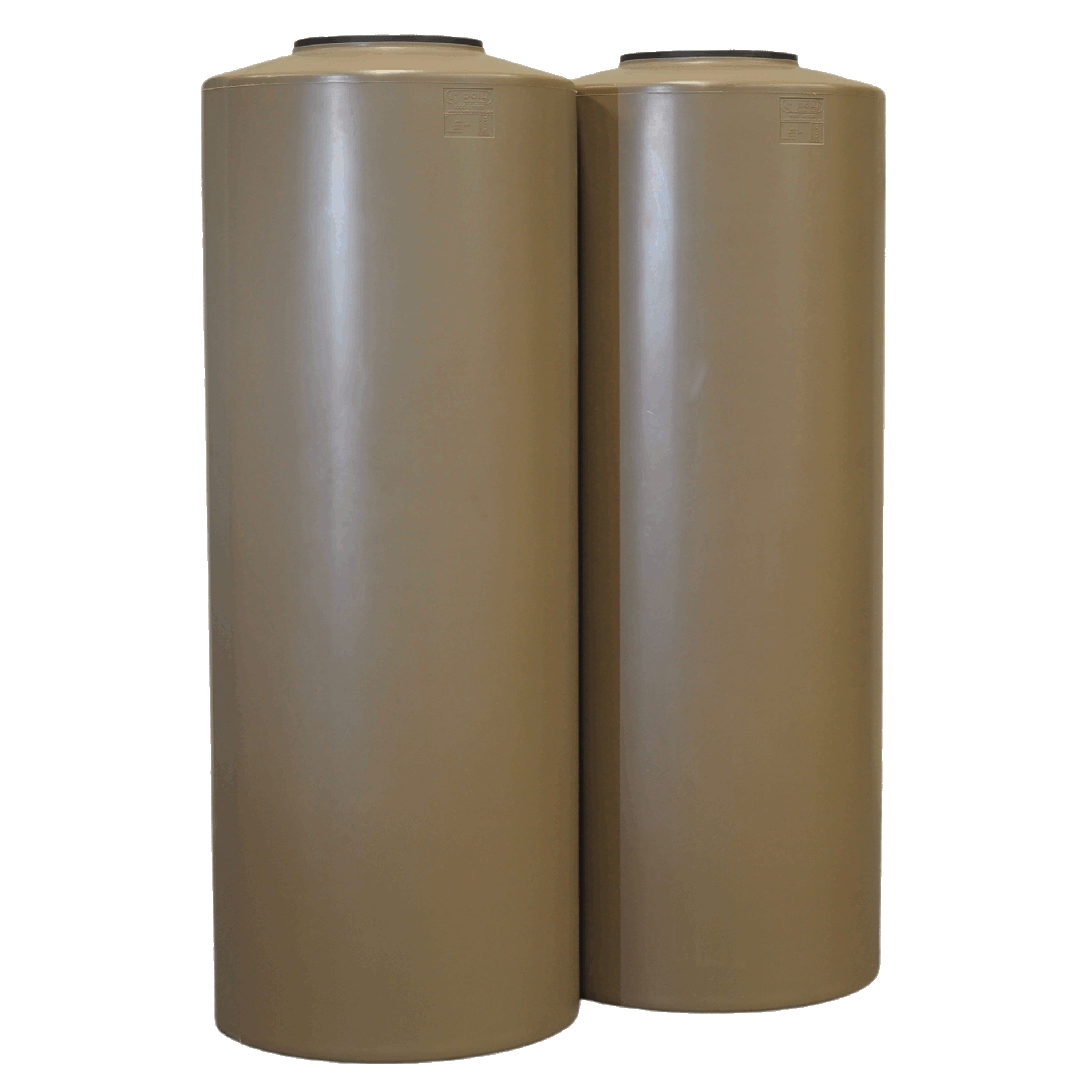
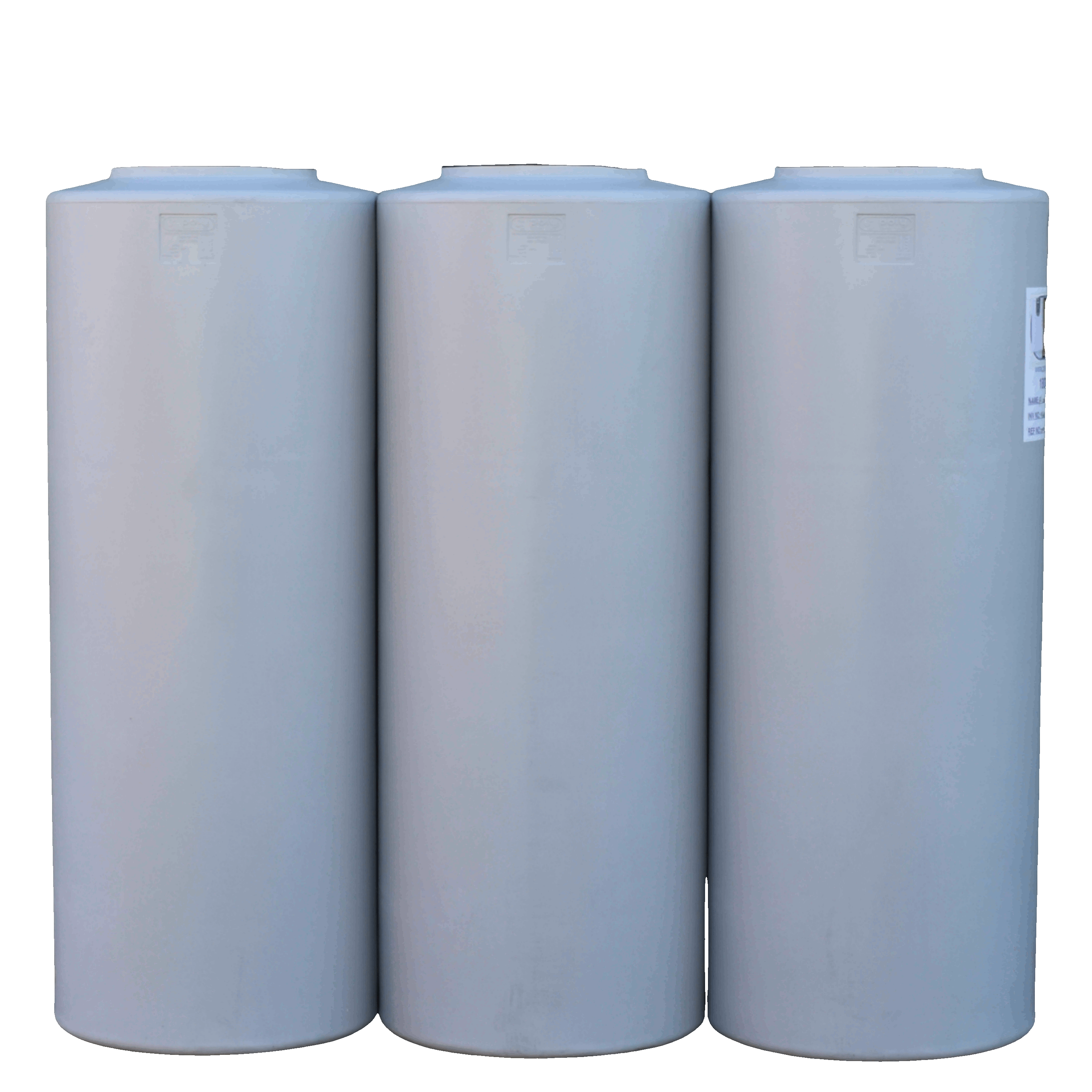
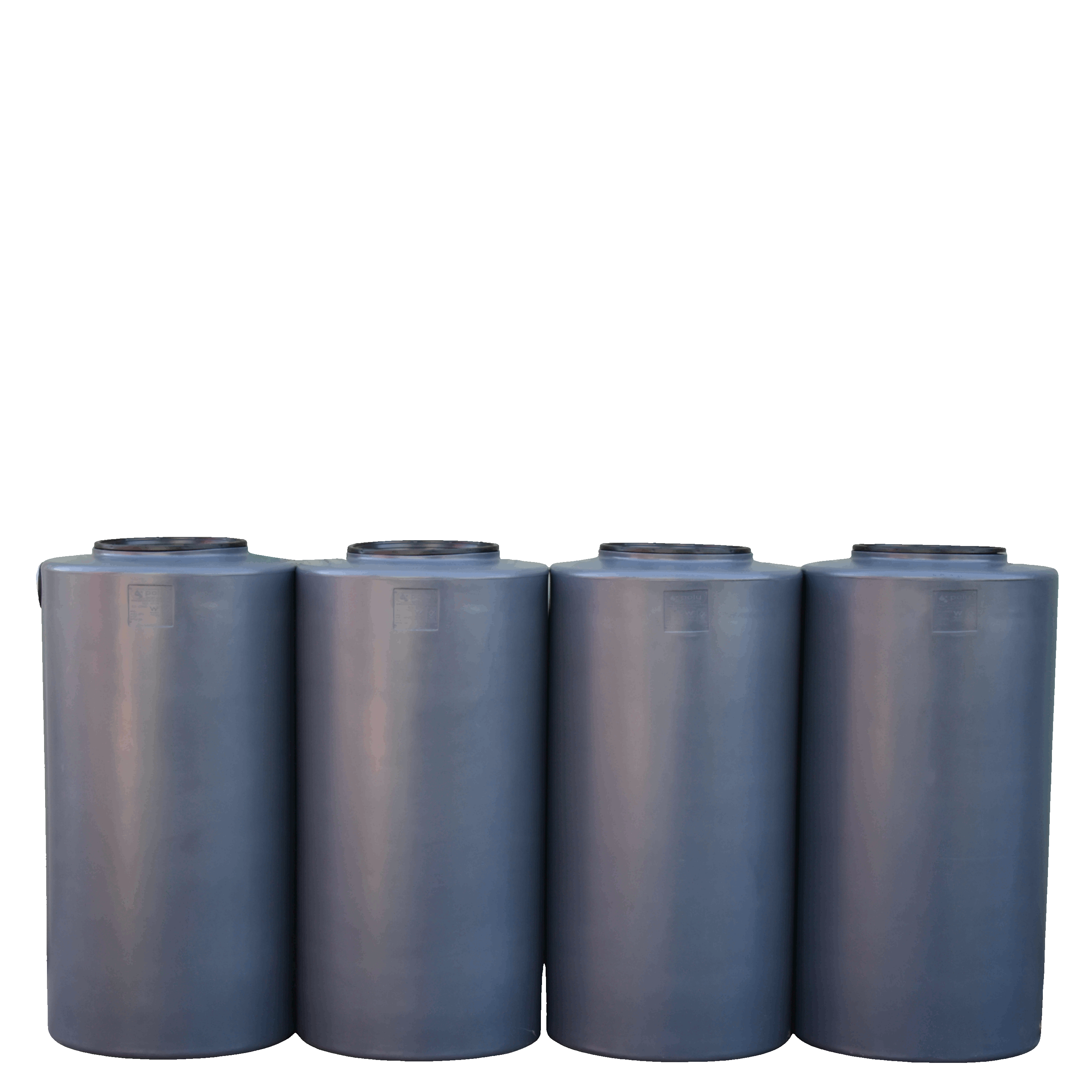
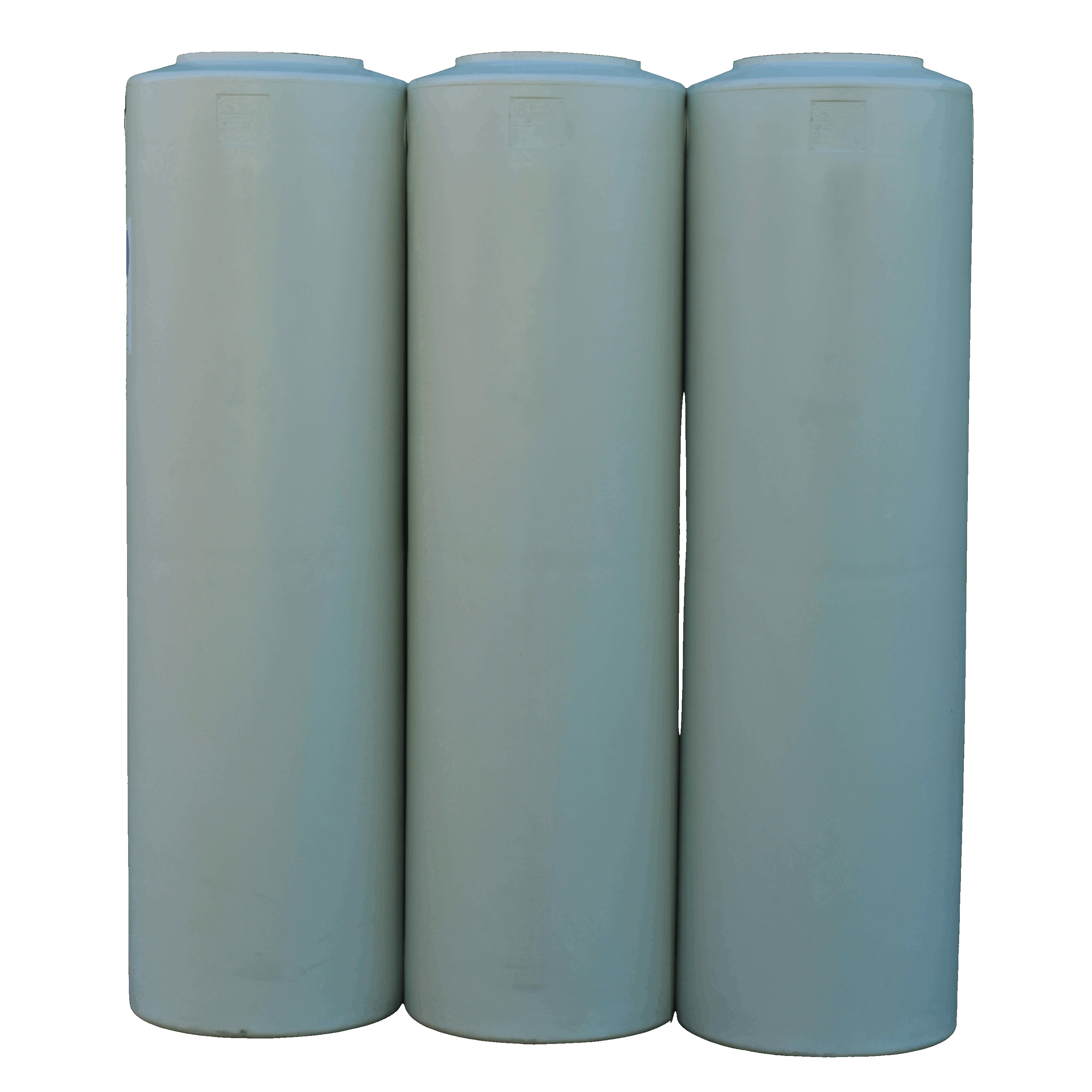
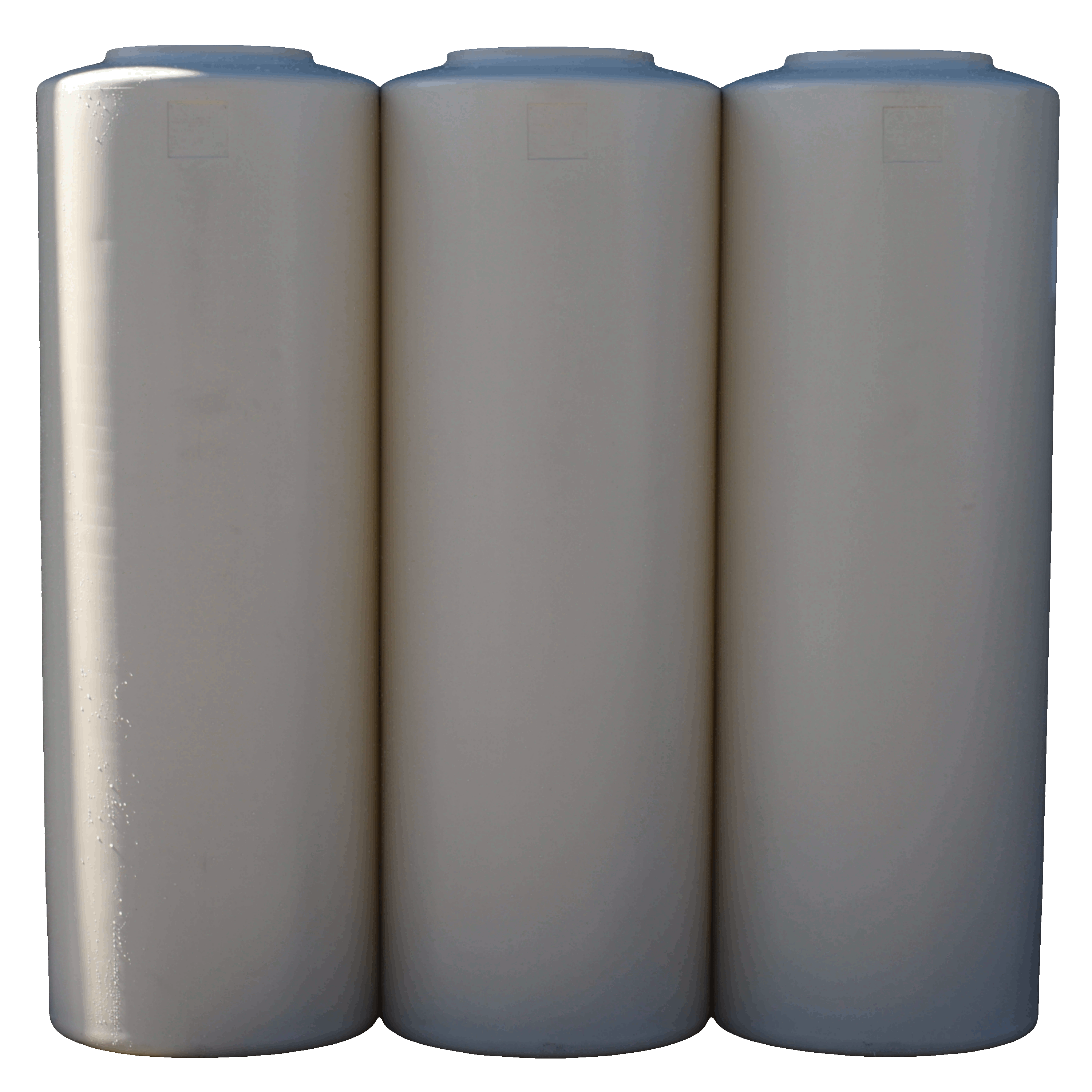
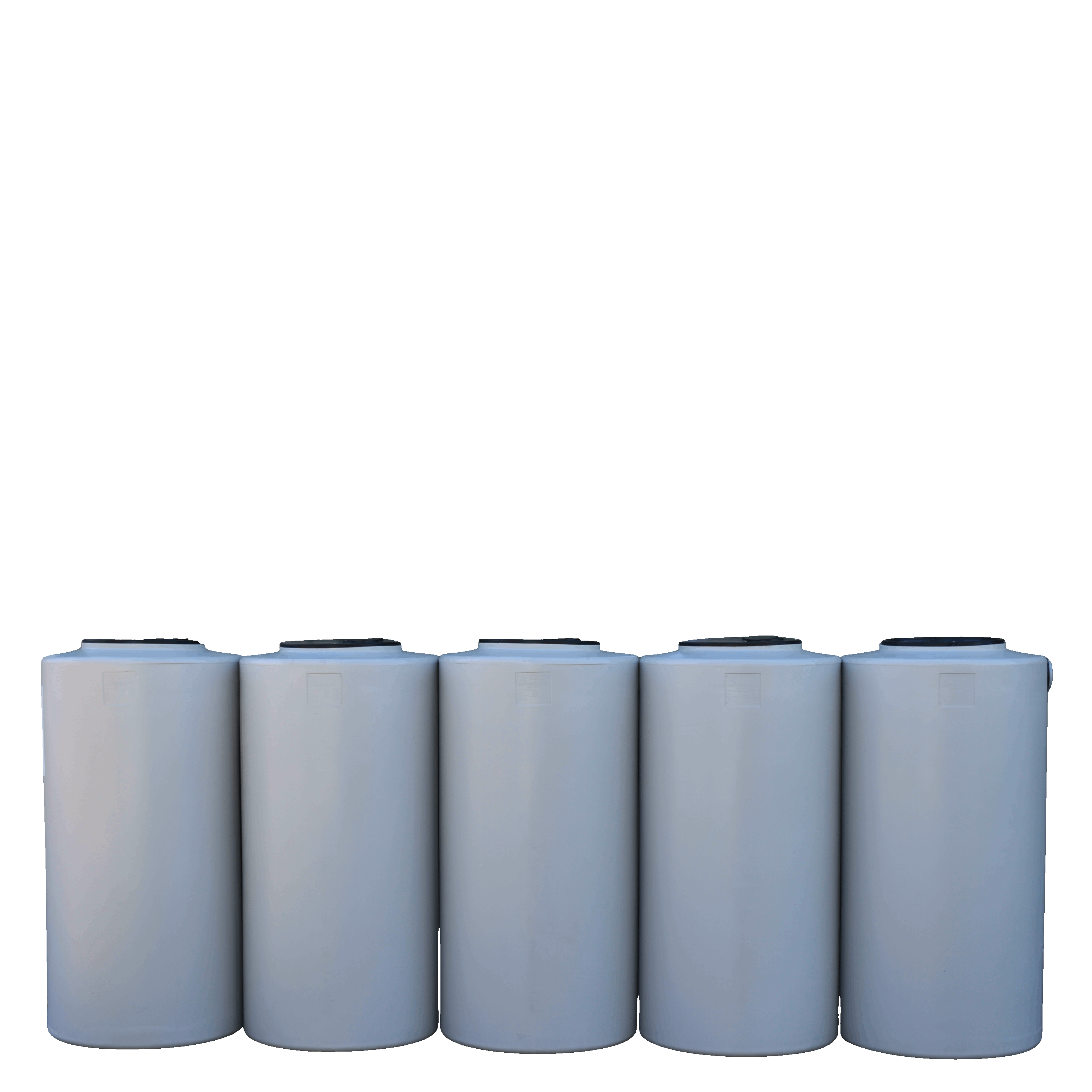
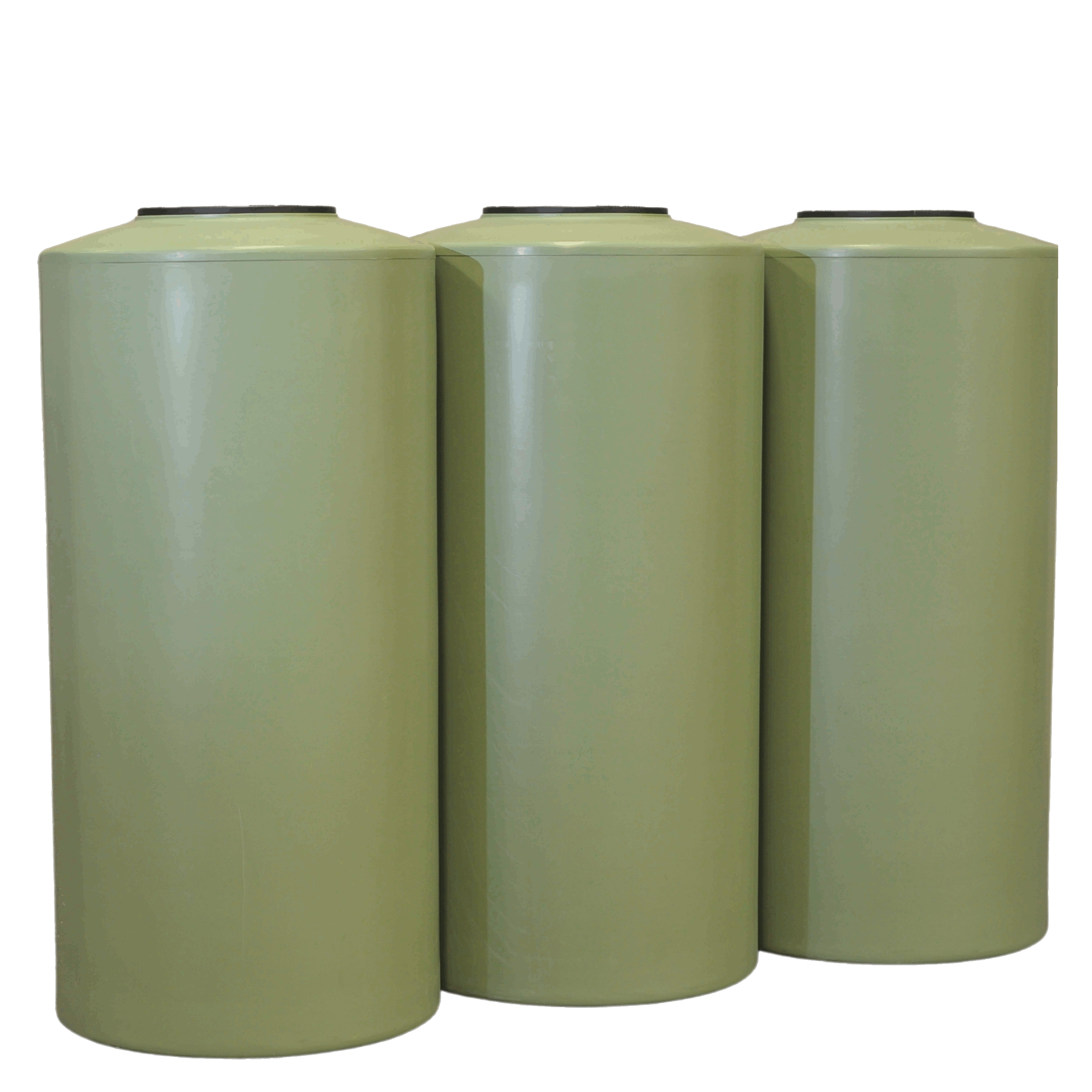
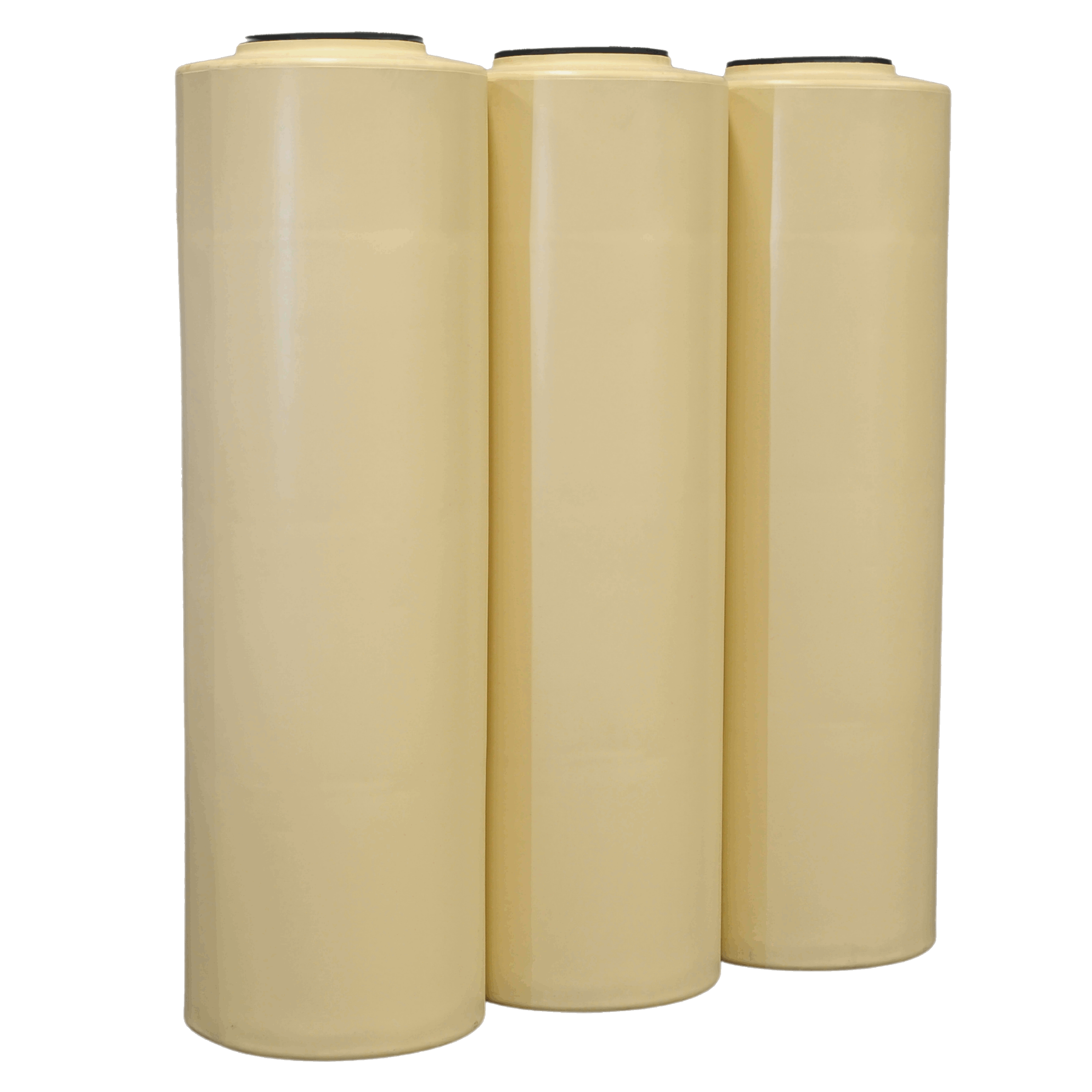
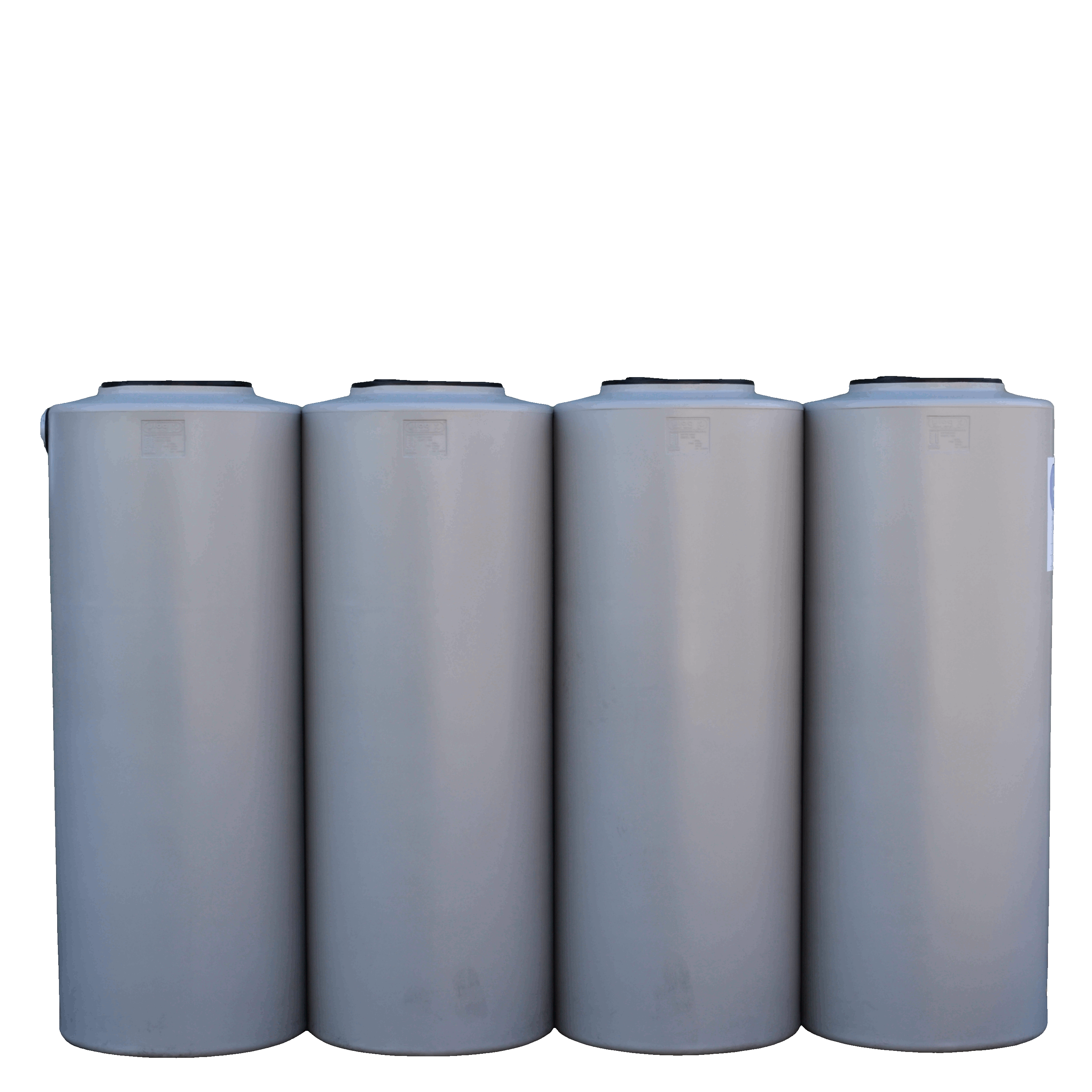
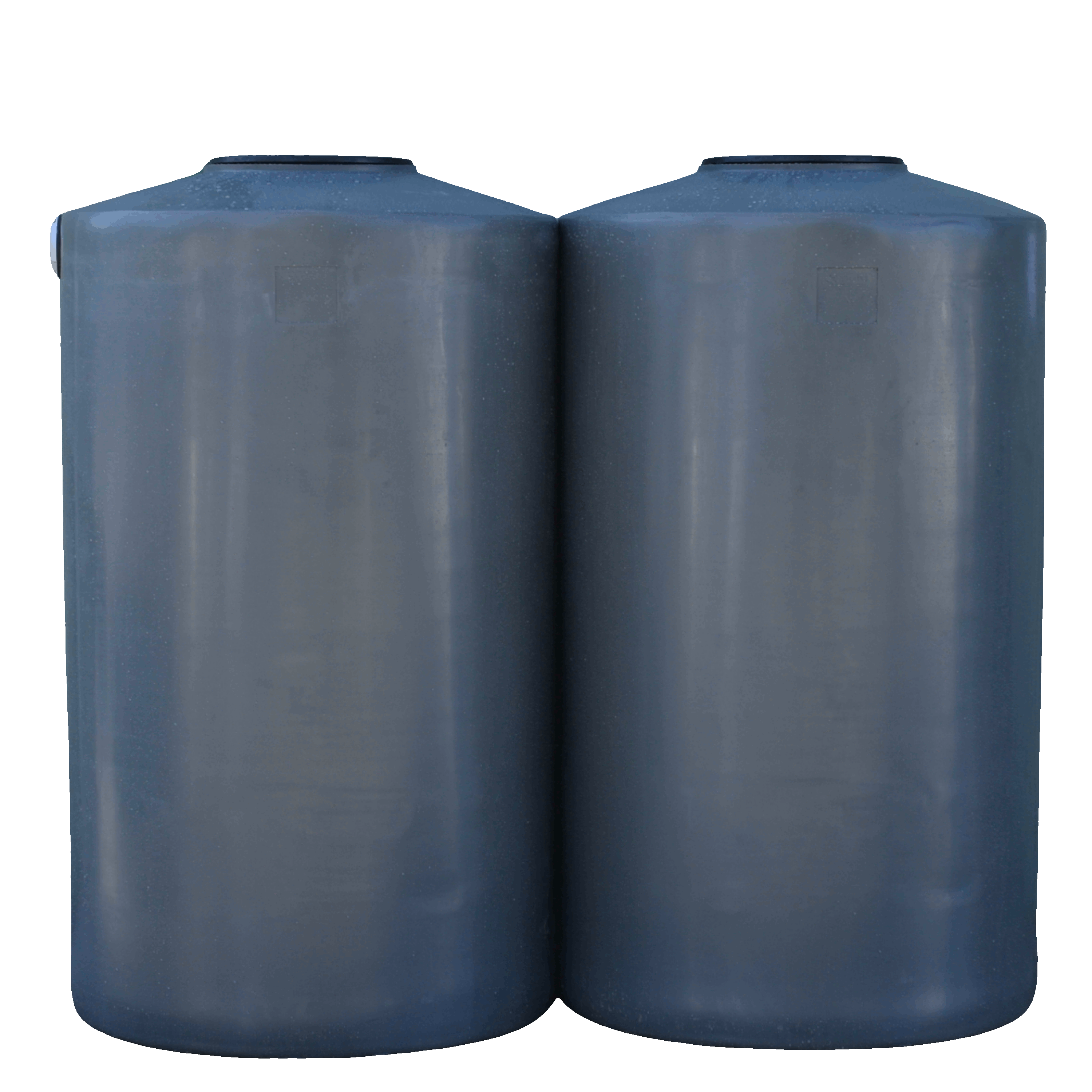
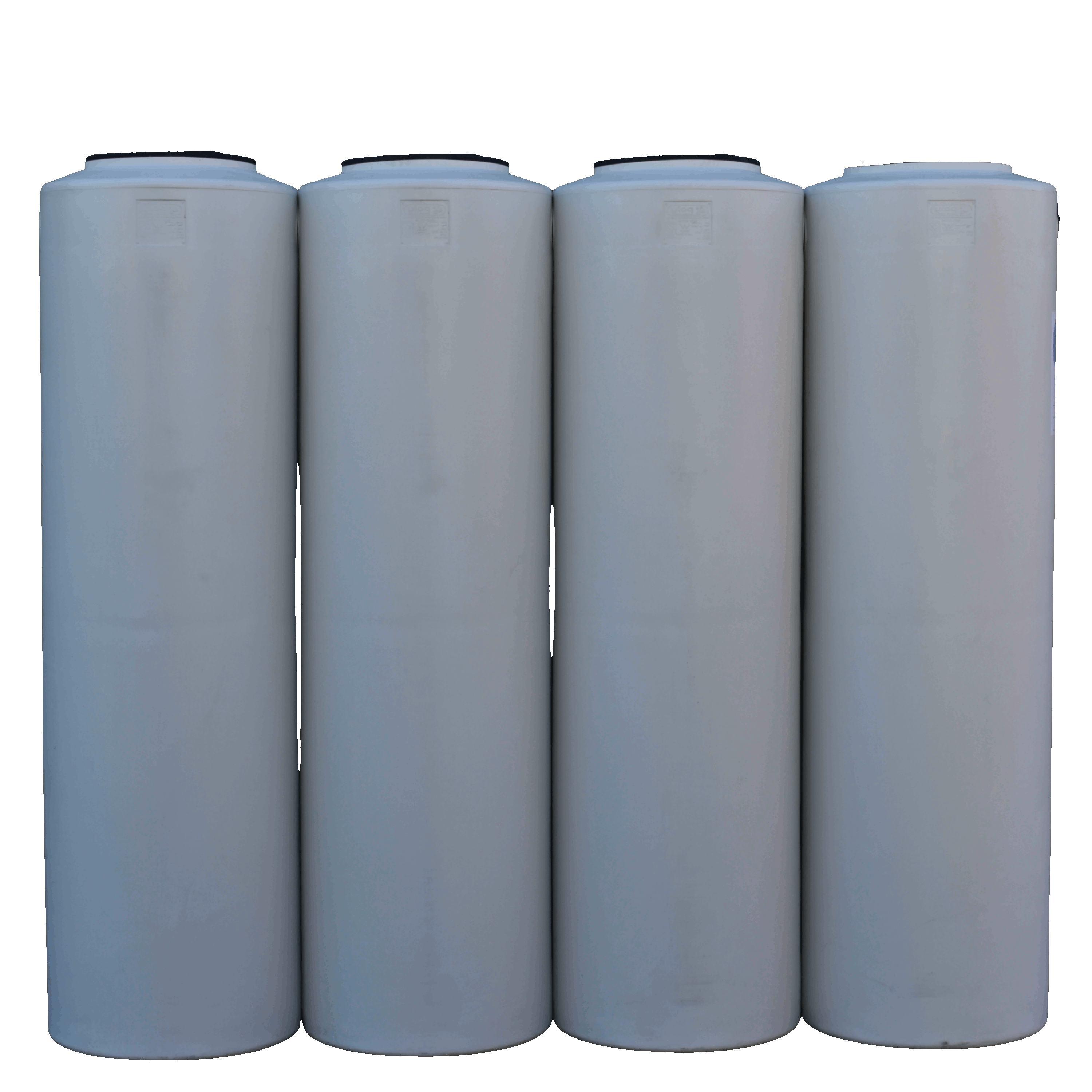
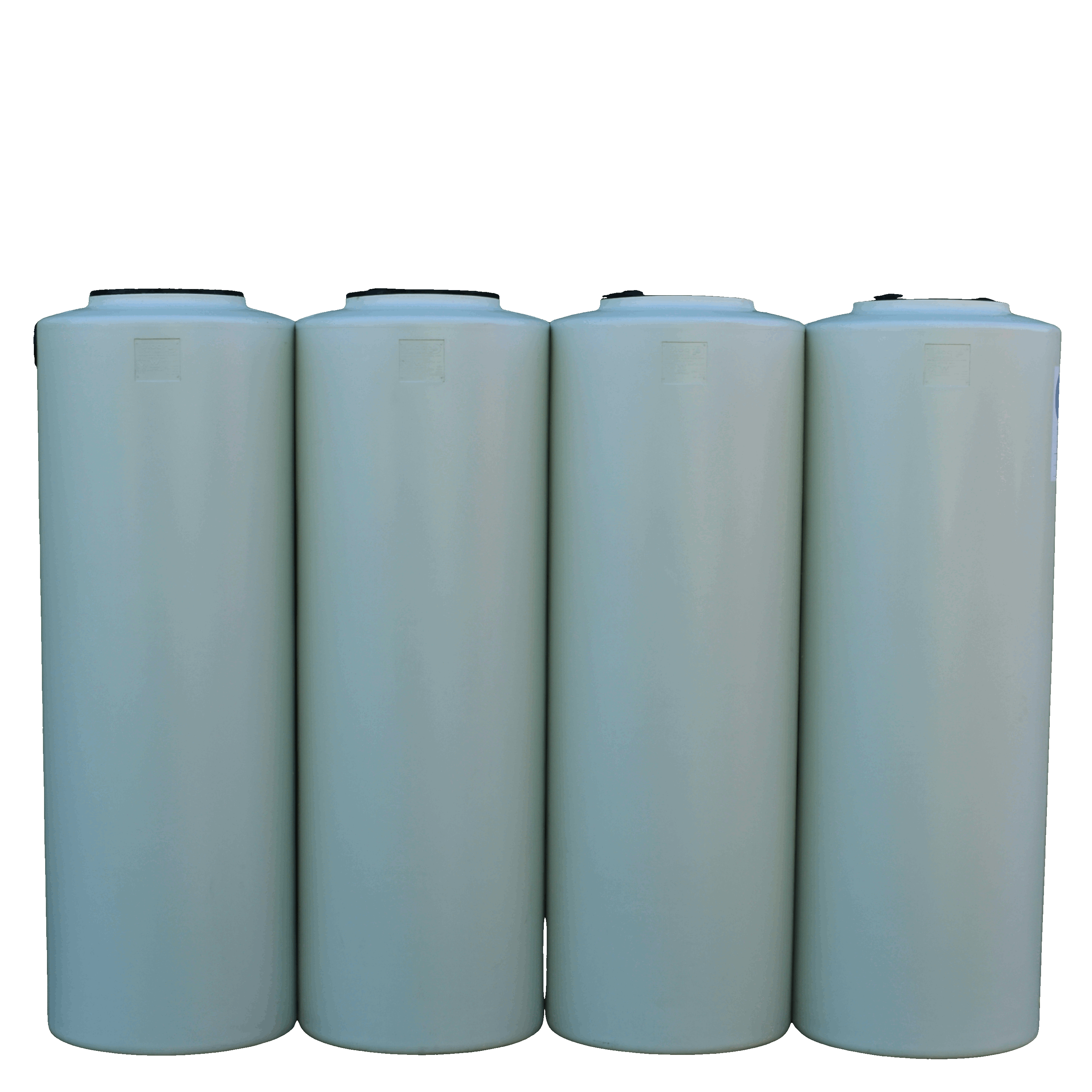
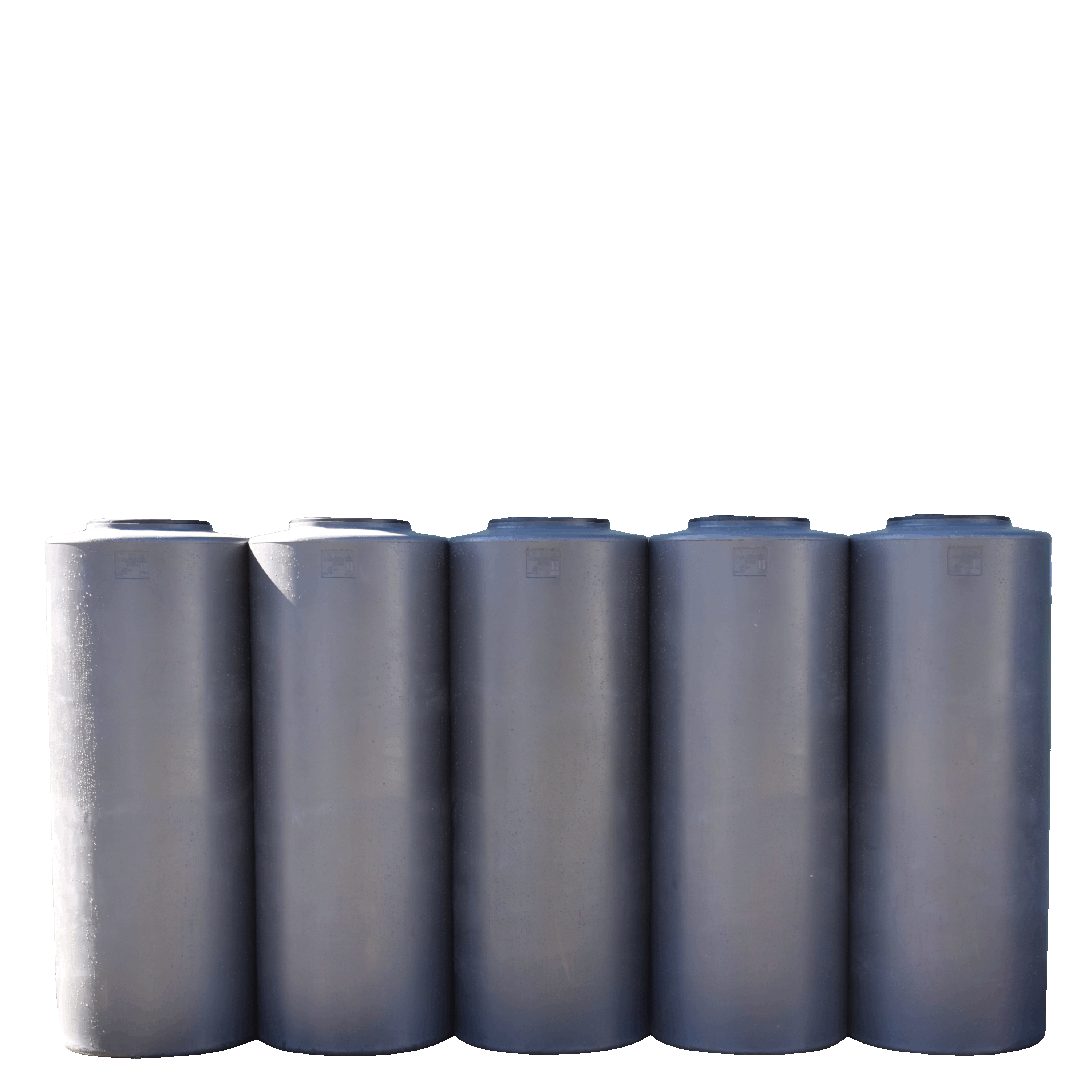
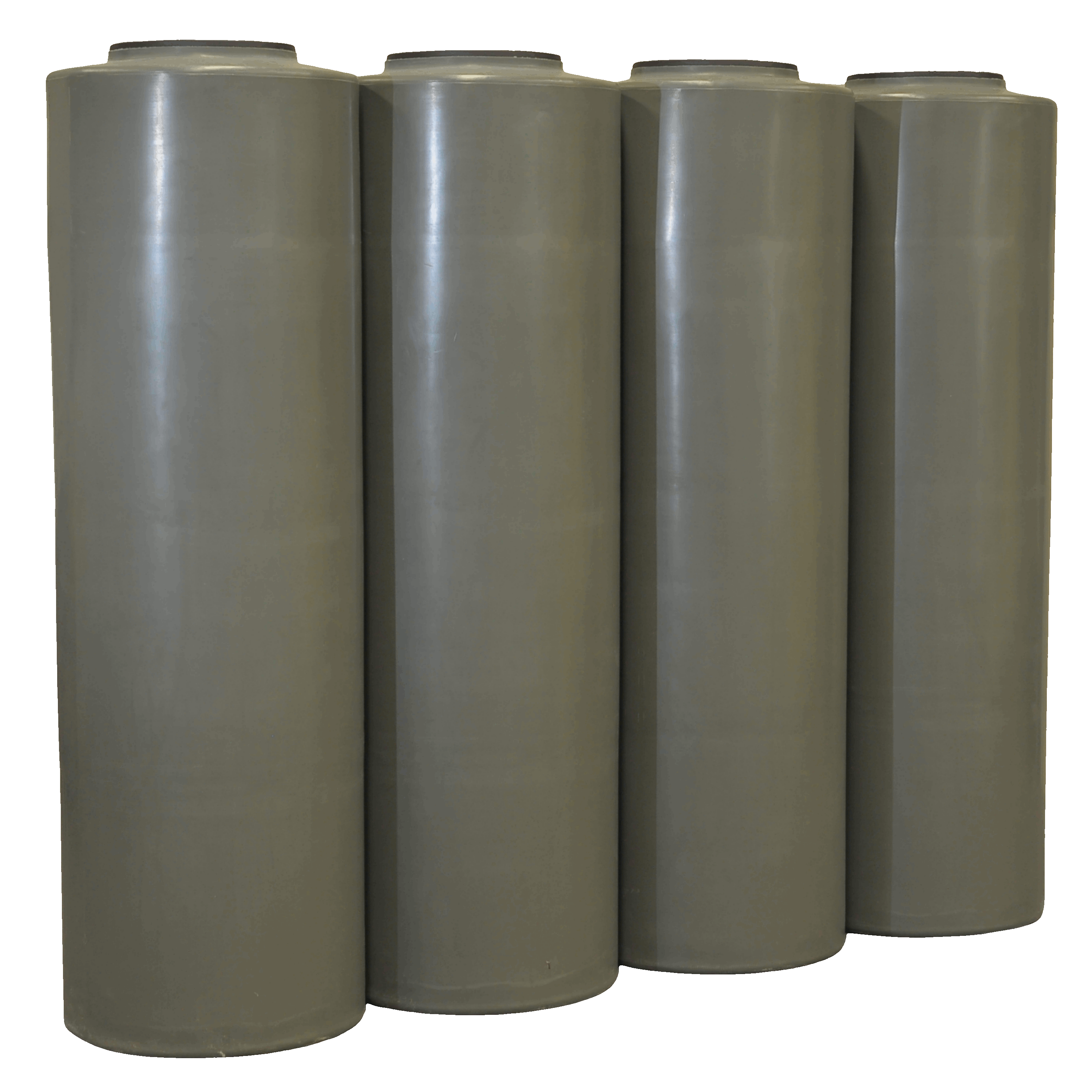
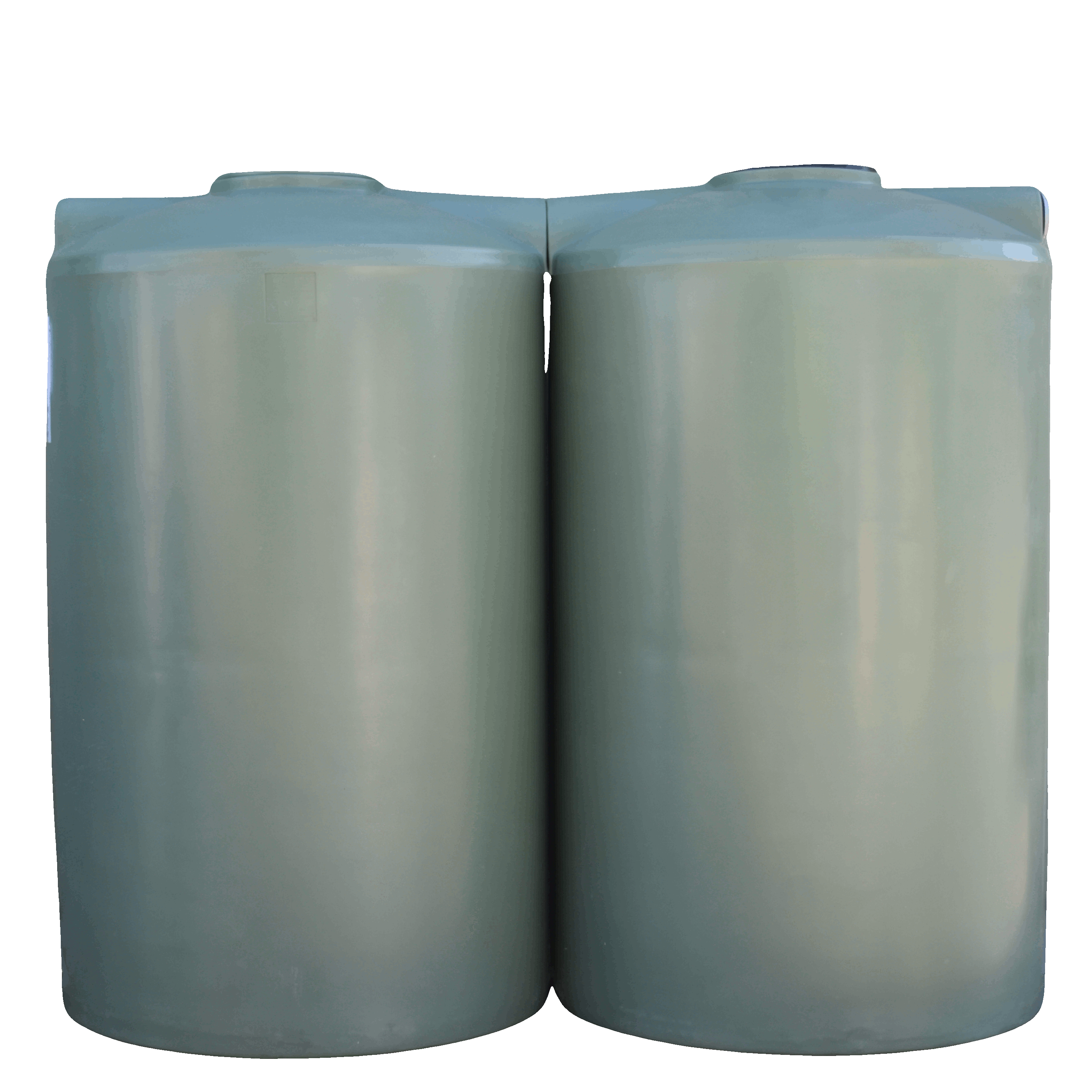
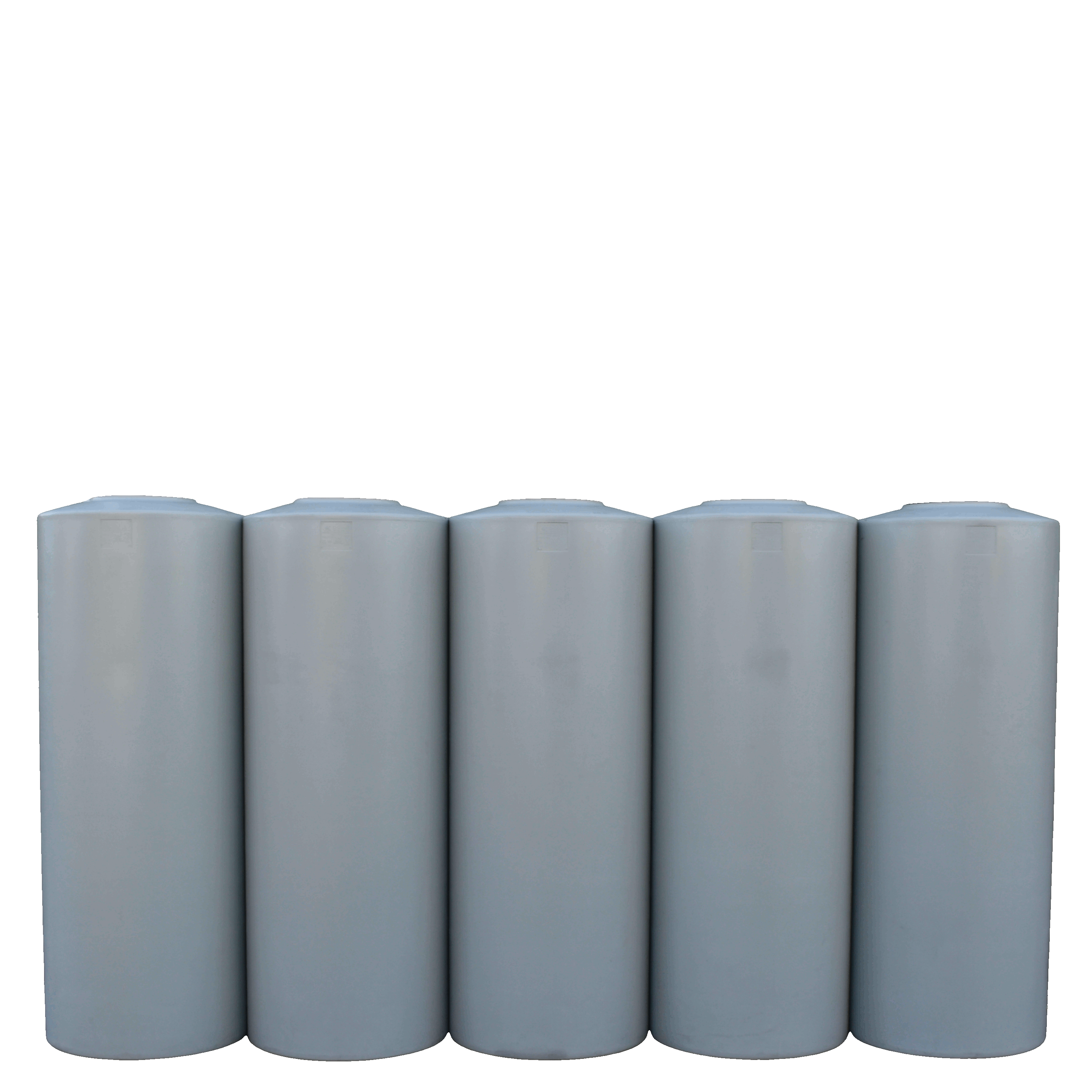
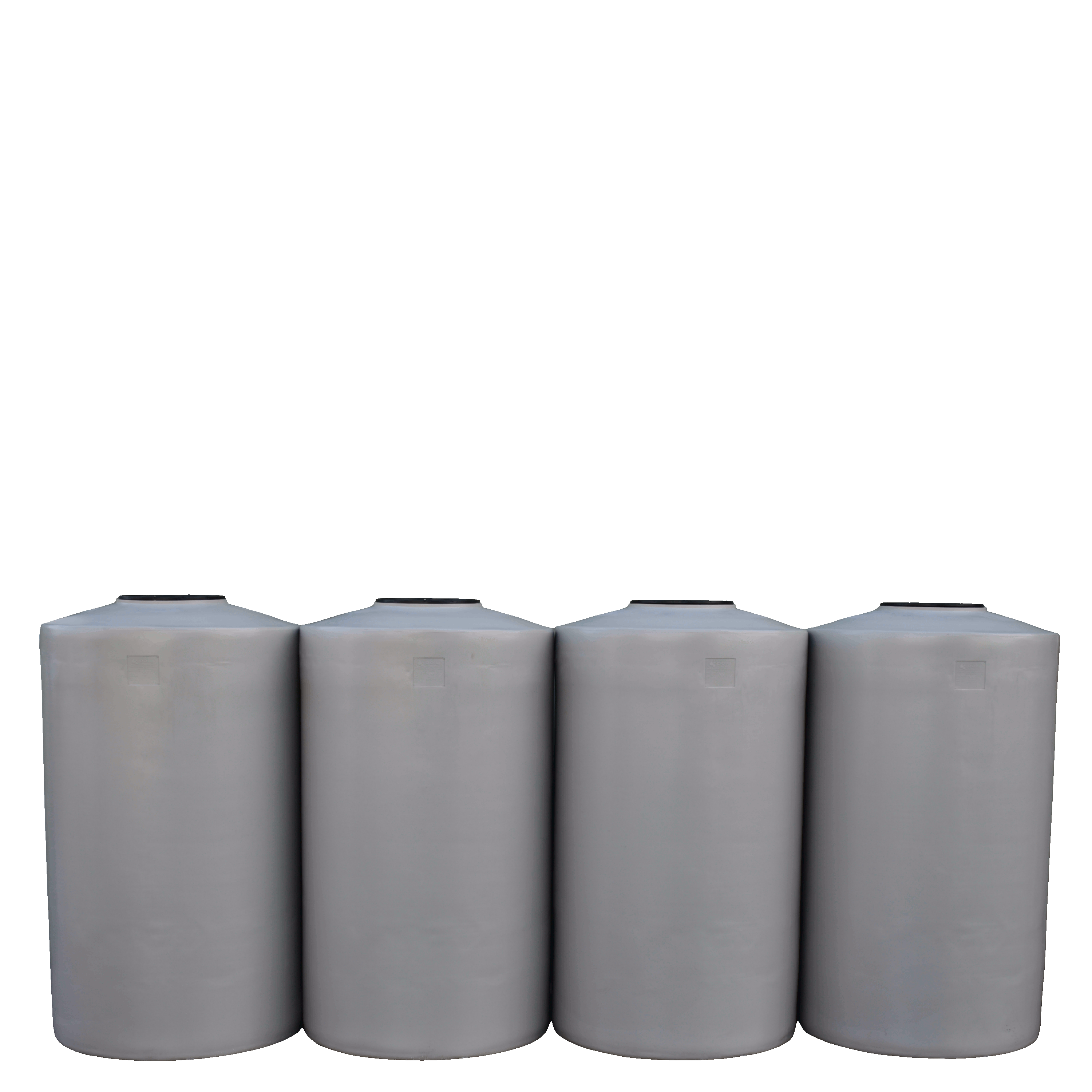
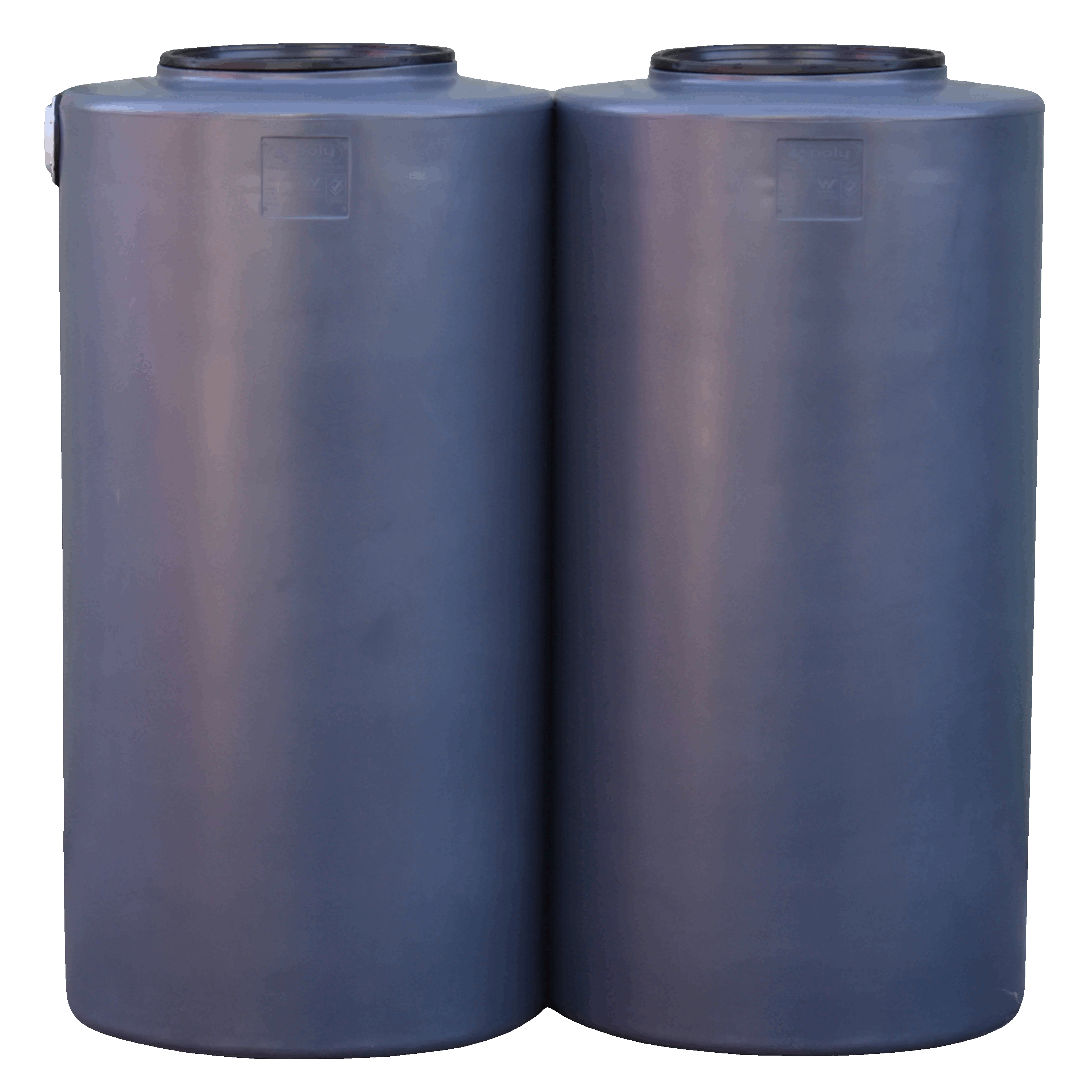
While slimline water tanks are slimmer than regular tanks, they do not compromise on water storage capacity or quality and offer a perfect solution where access or space is tight.
Our Slimline water tanks range from 1,002 Litres to 5,336 Litre capacities and are available in 20+ colour combinations.
We offer fast delivery throughout NSW, ACT and parts of VIC & QLD and our 15 year ‘no split’ fix or replace warranty means that you can purchase with confidence.
Still not sure what you need? Simply contact us to discuss your slimline water tank requirements and arrange a quote.
Why Buy From Poly Water Tanks
- Modular design using joined cylinders ensures structural integrity – your tank will not split!
- Built to cure properly, no rush job production for a premium-grade finish.
- Made from the best materials, UV-stabilised virgin food-grade polyethylene with no taste or smell (drinking-water compatible).
- Each slimline water tank is certified to Australian Standards (AS/NZS4766:2020).
- Small footprint design with no waste, giving the biggest storage capacity for its real estate.
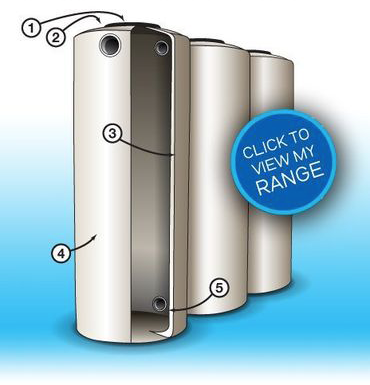
- Stainless steel screws and strainer mesh
- Dome tops with a clean and stylish aesthetic and self-supporting structure; no poles needed inside the tank
- Manufactured with a graduated thickness in walls, utilising hoop strength for evenly distributed pressure from the top to bottom
- Unique smooth wall design with no vertical parting lines; no weak wall pressure points
- Unique modular system with our exclusive connection process allows for our hoop strength standard
How do you move a slimline poly water tank?
- First, check whether moving your tank will have an impact on your warranty.
- If you’re happy to go ahead with moving your tank yourself, make sure you empty the tank first – water can weigh a lot!
- If you’re planning to move the tank only a short distance (100 metres or so), the tank can be pushed. However, it’s important to realise that scratches on the base of the tank can lead to weak spots. Check the path to the new location and ensure there are no protruding stones, sticks or other objects that could damage the base of the tank.
- If the move is a much further distance that requires a vehicle, you’ll need to get the tank onto the vehicle and, depending on the size of the tank, may require either additional people or the assistance of a forklift or a pulley system! Once securely strapped in an upright position onto the vehicle, the tank can be moved. Make sure that you’re careful of sticks, stones or other objects that can scratch the base of the tank when relocating it to its new position.
How big is a 5000L slimline tank?
- The size of a 5000L slimline tank differs from manufacturer to manufacturer. It often depends on the design of the tank. Ask the manufacturer if the tank is a single piece with window holes to create strength, or is it made using multiple cylinders joined together, which is inherently stronger.
- Generally, manufacturers of one-piece slimline tanks only offer one size of 5000 litre slimline tank. However, if the manufacturer uses a modular design, a greater range of dimensions may be available. At Poly Water Tanks, we offer a 5000lt eco, a 5000lt budget and a 5336 litre stubby slimline tank, so you can choose the one that suits your location.
What are the benefits of slimline water tanks?
- Slimline poly tanks are exactly that: slim. And even though they’re slim, they can hold generous volumes of water: some slimline tanks can hold a whopping 5300 litres.
- Another benefit of choosing a slimline tank is that they tend to have a footprint that’s much easier to accommodate in the suburban yard. Many suburban homes have a narrow space on the not-so-sunny side of the house between the fence-line and the building, which is the ideal spot for your rainwater tank as you’re less likely to use this area for other purposes. Your rainwater tank can be placed out of the way, making use of this valuable, unused space in your backyard.
- The corridor where slimline tanks are placed is often quite long. If you need large areas of water storage, you can install more than one tank, lined up along this corridor, giving you even more capacity.
- Slimline tanks can also be used to divide your yard space, like a partition in an office. As an aesthetic accessory, they can be used to hide an unsightly shed, create a cosy nook, or provide nearby water for your home veggie patch.
- When complying with LGA requirements for rainwater storage, a slimline tank is ideal as they are available in many of the common sizes stipulated by councils, such as 2000, 3000 and 5000 litres. Poly Water Tanks stocks a range of tanks in each of these sizes to suit your needs.
How big are slimline tanks?
- Slimline poly tanks generally come in different capacities and dimensions to suit council requirements. There is generally an upper limit of around 5,000 litres. This is because slimline tanks that are larger than this require machinery to move them around, both at the factory and also at the delivery location, thereby reducing their cost-effectiveness. That being said, their narrow footprint means that more than one tank can be installed end-to-end in order to reach larger capacities.
- The dimensions of a slimline tank vary from manufacturer to manufacturer. Single-piece slimline tanks are generally offered in a limited variety of dimensions for each capacity level as the mould is of a fixed size and can’t be changed. However, modular slimline poly tanks are made by connecting multiple base cylinders to make up a larger capacity. So, if the manufacturer has a wide range of base cylinders, there will be more variety in dimensions for a specific capacity. At Poly Water Tanks, we have a whopping 10 base cylinders that we use to create our modular slimline tanks.
How does my water tank work?
- Rainwater tanks collect rainwater from a catchment area, normally your roof. The rain falls onto the roof, collects in the gutters and is then diverted to your rainwater tank via the drainpipe.
- If you have a round tank or a single-piece slimline tank, the tank fills just like a glass, from the bottom to the top. If you have a modular tank (such as a multi-cylinder slimline tank), the tank with the inlet will start filling and once the water reaches the tank joiners (which are hollow), the water flows to the next tank and so on. Eventually, once all of the tanks are filled to the joiners, the tanks will fill at an even rate.
- Rainwater tanks have an outlet near the base of the tank to allow the water to be used. This can be connected to a pump so that the water can be pumped uphill to locations where it’s required. An alternative is to have a tap connected to the outlet so that water can be extracted from the tank using gravity.
How close to the boundary can a water tank be?
- Each council area has its own Development Control Plan (DCP) that outlines the regulations in relation to rainwater tank installations. For example, whilst the NSW State Environmental Planning Policy stipulates that a rainwater tank that is 1.8 metres in height or more must be at least 450mm from the boundary, local DCP instruments may specify more detail or a measurement that contradicts this guideline. We advise that you check with your local council to ensure that you comply with the specific rules in your LGA.
What is the Height/Width of the Truck That Will Deliver My Tank(s)?
- Modular slimline tanks are constructed by connecting multiple structurally sound cylinders with hollow connectors at the top and bottom of each tank. The cylindrical nature of each tank ensures that the tank does not bulge or split.
- One-piece slimline water tanks are made from a single mould that has full-depth indentations on the large vertical surface to create structural integrity in the tank. Whilst one-piece slimline tanks can often contain a higher capacity in a smaller space, they are more prone to splitting.
- A perfectly rectangular tank would quickly bulge and split as a result of the pressure imposed by the water at the lower section of the tank, hence indentations are required to hold the sides of the tank together and prevent the sides from bulging. In doing this, the pressure is often dispersed to the outer ends of the tank, which can still result in the tanks splitting as a result of this diverted pressure.
What’s the difference between modular slimline tanks and one-piece slimline water tanks?
- An OSD (On-Site Detention) tank is intended to slow the flow of stormwater runoff. The stormwater is detained in the tank, preventing it from emptying into the council’s drainage system until the tank is full or the water is released slowly through a controlled orifice or a small diameter release valve.
- Rainwater tanks are an excellent solution for OSD. They are easy to transport to the location, cost much less than a custom-made concrete alternative and can be effortlessly extended by adding an additional cylinder.
- Poly Water Tanks can factory-install additional fittings to accommodate your OSD configuration requirements, including higher-flow outlets and overflows so that your tanks can be hooked up and ready to use without hassle. Speak to our staff about your specific requirements.
- Read More
- Read More
- Read More
- Read More
- Read More
- Read More
- Read More
- Read More
- Read More
- Read More
- Read More
- Read More
- Read More
- Read More
- Read More
- Read More
- Read More
- Read More
- Read More
- Read More
- Read More
- Read More
- Read More
- Read More
- Read More
- Read More
- Read More
- Read More
- Read More
- Read More
- Read More
- Read More
- Read More
- Read More